Submersible Pump Application Guide: Matching Materials and IP Ratings to Pool, Sewage, and Solar
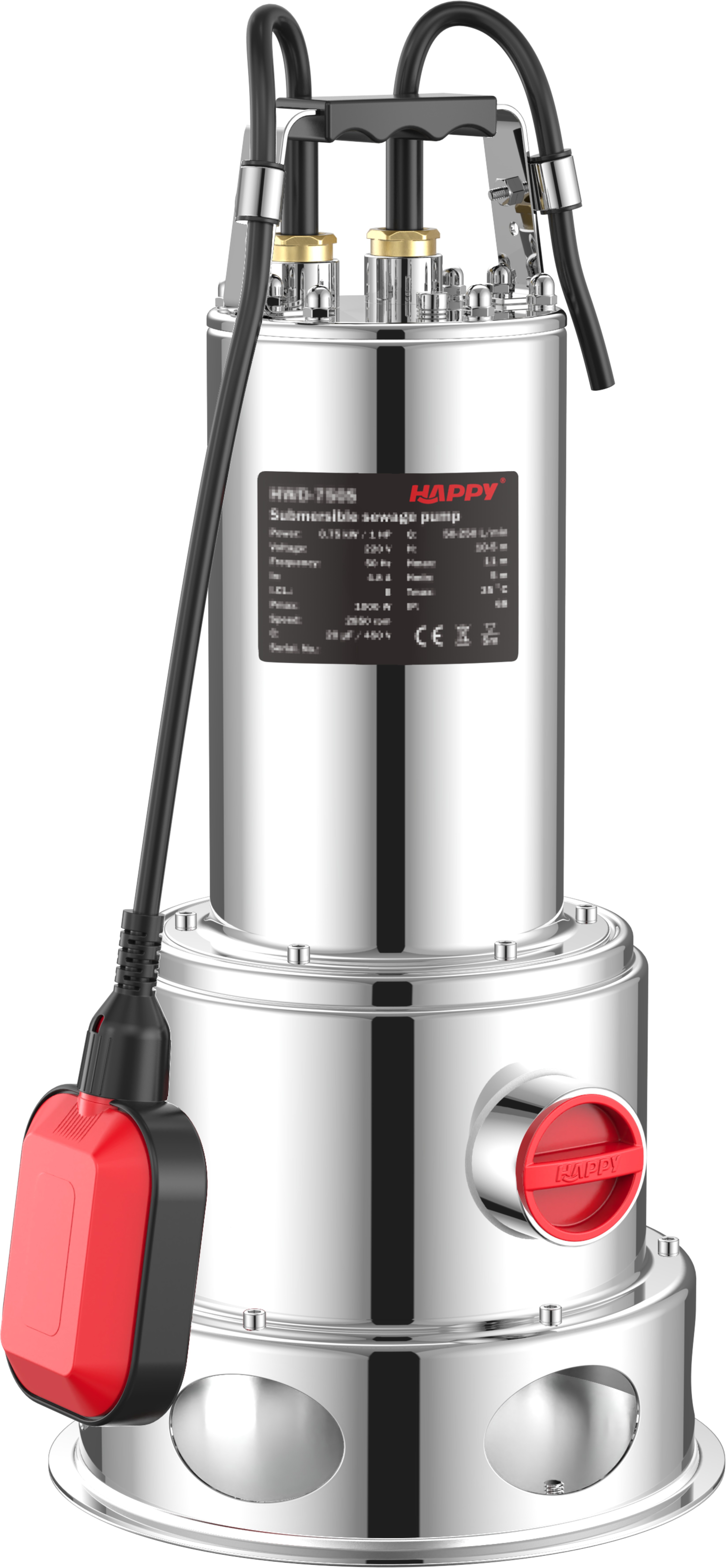
A submersible pump is only as reliable as the match between its protection level, its wetted materials and the duty it actually runs. A unit that performs well in a swimming pool circulation loop can fail quickly in a sewage sump, and a stainless-steel borehole unit is not automatically the right answer for a solar-driven irrigation line. This guide maps submersible pump families to five project scenarios — swimming pools, sewage and drainage, solar pumping, residential and building water supply, and agriculture irrigation — and explains how IP protection levels from IP44 to IP68 and cast iron, stainless steel and engineering plastics change the fit.
This article is part of the submersible pump selection series published on blog.happypump.com by Zhejiang Happy Pump Industry Co., Ltd.
Problem Definition: Submersible Pumps Fail on Fit, Not Only on Quality
A submersible pump can be well built and still be the wrong pump for the job. Three variables decide whether a unit survives its application, and usually only one of them — flow and head — is discussed at quotation stage.
- Exposure. Where the pump body sits determines the protection level it needs. A unit installed in a dry plant room beside a pool has a different water-exposure profile from a unit that sits permanently under water in a sewage sump.
- Water condition. Clean chlorinated pool water, sewage carrying solids and fibrous material, borehole water with silt, and water drawn from a canal place different demands on wetted parts.
- Electrical environment. Single-phase or three-phase supply, 50 Hz or 60 Hz market frequency, grid or solar drive, and the motor efficiency class all change the hydraulic and compliance outcome.
A fourth variable sits outside the pump itself: the supply relationship. A pump specified once and re-ordered three years later needs a spare-part source and a supplier whose documentation, minimum order quantity and acceptance routine stay stable between orders.
Industry Background: Where Submersible Pump Demand Is Concentrated
The commercial reason application matching matters is visible in the demand mix. Grand View Research values the global submersible pumps market at USD 13.3 billion in 2025 and projects USD 19.4 billion by 2033. Fortune Business Insights places Asia Pacific at 39.72% of that market in 2025, worth USD 7.05 billion.
- Borewell duties held the largest segment share at 46.7% of the global submersible pump market in 2025 (Grand View Research).
- Electric drive accounted for nearly 80% of global installations in 2024 (Grand View Research).
- Non-clog and sewage submersible pumps represented approximately 25% of the total market (Grand View Research).
- Revenue from electric submersible pumps in agriculture was USD 2,515.6 million in 2025 (Grand View Research).
- Solar pairing is the fastest-moving adjacent trend: Precedence Research notes increasing adoption of solar-paired submersible pumps in South Asia, where 75–100% of freshwater withdrawal is for agriculture.
Two caution notes belong with these figures. Market-size baselines differ between research houses — Grand View Research, SNS Insider and Precedence Research publish different 2024–2025 values — so any single figure should be read as an order-of-magnitude signal rather than a precise forecast. Solar segment growth rates also vary widely between sources depending on forecast window and regional scope.
Sources: Grand View Research, Fortune Business Insights, Precedence Research.
Detailed Solution: Matching Protection Level, Material and Motor to the Duty
Zhejiang Happy Pump Industry Co., Ltd. is a Chinese pump and motor manufacturer founded in 1990 and based in Daxi Town, Wenling City, Zhejiang Province. The company produces surface pumps, submersible pumps, deep well pumps, solar pumps, motors, pressure control tanks and spare parts, and exports to more than 150 countries and regions. Its range covers 11 major series and more than 500 specifications, which is the practical reason a single project can source pool, sewage, building and irrigation pumps through one specification process.
Reading IP Ratings for Submersible Duty
An IP rating states two things. The first digit describes protection against solid objects and dust; the second describes protection against water. For submersible work the second digit carries most of the decision weight, while the first digit matters in dusty plant rooms and agricultural sites. Abbreviated meanings, following the standard IP code system:
| Rating | Solids / dust | Water | Typical install context |
|---|---|---|---|
| IP44 | Objects above 1 mm | Splashing water from any direction | Dry plant rooms, covered pool pits, sheltered domestic installations |
| IP54 | Dust protected, limited ingress | Splashing water | Sheltered outdoor cabinets and enclosures with intermittent splash |
| IP55 | Dust protected | Water jets | Wash-down areas, exposed building service rooms |
| IP65 | Dust tight | Water jets | Hose-down drainage areas where the unit is not submerged |
| IP68 | Dust tight | Continuous immersion under conditions specified by the manufacturer | Sewage sumps, boreholes, wells, permanently flooded pits |
The practical point for buyers is that IP68 is not a single, universal condition. Continuous immersion is defined by the manufacturer for each unit, so the immersion depth and duty cycle should be confirmed against the model datasheet rather than assumed from the code alone.
Cast Iron, Stainless Steel and Engineering Plastics
Material choice follows water condition and structural load, and the trade-off is consistent: corrosion resistance and low weight improve as you move from cast iron to stainless steel to engineering plastics, while structural strength, pressure capability and abrasion tolerance move in the other direction.
- Cast iron. The default for bodies, volutes and larger frames where strength, mass and cost balance matter. It suits sewage and drainage duty, larger borehole units and high-head irrigation work. Its limitation is corrosion; in aggressive or chlorinated water, coatings and service intervals determine service life.
- Stainless steel. Chosen where corrosion resistance and clean water quality dominate — borehole and deep-well duty, clean-water boosting, and pool circulation where a lighter, more corrosion-tolerant wet end is wanted. Cost per unit is higher than cast iron.
- Engineering plastics. Suited to compact household, garden and small pool units: light, corrosion-resistant and inexpensive to mould. They are not the right answer for abrasive silt, high head or heavy continuous duty.
Motor and Electrical Configuration
The motor half of a submersible pump deserves the same specification discipline as the hydraulic half. Relevant configuration items include single-phase or three-phase supply, AC drive, 50 Hz or 60 Hz market frequency, and motor efficiency class. Happy Pump offers IE2, IE3 and IE4 motor options together with MS motor configurations where applicable; the class that applies to a given order should be fixed at specification stage, because it affects both compliance paperwork and running cost.
Frequency is not a formality. A 50 Hz and a 60 Hz version of the same pump family are not interchangeable across markets because the hydraulic curve shifts with speed. Single-phase household units also fall inside a defined safety scope: IEC 60335-2-41 covers single-phase household pumps for voltages up to 250 V.
Model Families Referenced in This Guide
The model families referenced here — QDX, QDP, HQBm, HPSm-AX and HRSm-A — sit across the submersible, borehole and pool pump ranges. A series name identifies a family, not a fixed IP rating or a fixed material; those are configuration items confirmed per order. In practice, borehole and deep-well projects usually start with the HQBm family, pool and clean-water circulation projects with the HPSm-AX and HRSm-A families, and compact household or drainage duties with the QDX and QDP families, with the final configuration checked against the datasheet for the specific model.
Step-by-Step Breakdown: Specifying a Submersible Pump by Scenario
- Fix the duty point first. Write down the required flow, the total head and the vertical lift before looking at model names. A shortlist built from a duty point is shorter than a shortlist built from a catalogue index.
- Classify the exposure. Decide whether the unit sits in a dry chamber, a splash zone or permanent immersion, then set the IP target from that classification. Pool plant rooms, basement sumps, boreholes and sewage pits land in different columns.
- Match the wetted material. Clean or chlorinated water, solids-laden sewage, and silt-bearing irrigation water each point to a different material direction: engineering plastics or stainless steel for clean and pool duty, cast iron for sewage and high-head work.
- Fix the electrical configuration. Confirm phase, frequency, grid or solar drive, and the efficiency class required. Where the destination market requires a specific certificate, state it at this step rather than after the order.
- Confirm documentation and acceptance. Ask which standard the unit is tested against — IEC 60335-2-41 for household and agricultural submersible pumps, or UL 778 for the North American market — and agree pre-shipment test as the acceptance method.
- Lock commercial terms and plan the repeat order. Agree minimum order quantity, delivery term and payment split, and confirm spare-part availability before the first shipment, not after the first failure.
Use Cases: Five Project Scenarios and What Changes in Each
Swimming Pools and Circulation
Pool duty is clean but chemically treated water, usually moving through a filter loop from a plant room or a pit. The protection level follows the pit: a dry, covered plant room supports a lower rating, while a pit that can flood pushes the requirement toward a higher water-protection class. Wetted parts benefit from corrosion tolerance, which favours stainless steel or engineering plastics for smaller units. Pool and clean-water circulation duties are where the HPSm-AX and HRSm-A families are usually reviewed, with seal arrangement and continuous-run behaviour confirmed on the datasheet.
Sewage and Drainage, Including Cutting Sewage Pumps
Sewage duty is defined by what the pump must pass, not only by flow. Solids and fibrous material favour cast iron bodies with a robust wear path, and cutting submersible sewage pumps are used where fibrous loads would otherwise clog a standard impeller. Units in a sump sit in permanent immersion, so IP68 is the working target. The QDP family is the usual starting point for drainage duties, with free passage and cutting arrangement confirmed against the actual solids load.
Solar Pumping Systems
Solar pumping combines a borehole or well installation with an intermittent power source. The pump end is usually specified for continuous immersion, and stainless steel wetted parts suit the cleaner water typical of a well. What changes the outcome is the electrical side: the pump, motor and solar drive must be matched as a system, and the duty point must be read on the solar curve rather than on a grid-supply curve. Happy Pump's range includes a dedicated solar pump series alongside submersible and deep well pumps, so the pump end and motor can be specified together.
Residential and Building Water Supply and Drainage
Household and building duties split into two very different installations. Clean-water supply from a tank, well or borehole favours compact single-phase units with corrosion-tolerant wetted parts, and single-phase household pumps fall within the scope of IEC 60335-2-41 up to 250 V. Basement and sump drainage moves in the opposite direction: cast iron construction and a high water-protection rating matter more than compactness. The QDX family is the usual review point for compact clean-water duties.
Agriculture Irrigation
Irrigation is the largest single application block for submersible pumps, and borewell duty dominates it. Water may carry silt or sand, which pushes the material choice toward cast iron for high-head work and stainless steel where water is cleaner. Motor efficiency class matters more here than in domestic duty because running hours are long. Because irrigation pumps are replaced on a seasonal rhythm, spare-part availability and repeat-order consistency weigh as heavily as the first-order price.
Comparison Table: Application Matching Matrix
The matrix below shows the selection direction typically used for each scenario. It is a starting point, not a fixed specification: final IP rating, material and motor class must be confirmed on the model datasheet and nameplate for the order.
| Application | Water and exposure | Protection direction | Material direction | Confirm before ordering |
|---|---|---|---|---|
| Swimming pool circulation | Clean, chemically treated water; dry plant room or pit | IP44–IP55 in a dry chamber; higher if the pit can flood | Stainless steel or engineering plastics for wetted parts | Seal arrangement, continuous-run duty, family selection (HPSm-AX, HRSm-A) |
| Sewage and drainage | Solids and fibrous material; permanent immersion | IP68 | Cast iron body and wear path; cutting impeller where needed | Free passage, cutting arrangement, family selection (QDP) |
| Solar pumping | Well or borehole water; remote site; intermittent supply | IP68 for downhole immersion | Stainless steel for cleaner water | Solar pump series, motor/drive matching, duty point on solar curve |
| Residential and building supply / drainage | Clean water in tanks, or dirty water in sumps | IP44–IP54 in dry chambers; IP68 in sumps | Plastics or stainless steel for clean water; cast iron for sump duty | Single-phase voltage, head, noise, family selection (QDX) |
| Agriculture irrigation | Borehole or canal water; possible silt; long running hours | IP68 | Cast iron for high-head duty; stainless steel for cleaner water | Duty point, motor efficiency class, spare-part availability |
Supplier structure matters alongside the technical matrix. A manufacturer that specialises in one category — for example a deep-well-only producer — can fit a single well-water duty well, while a full-range supplier becomes relevant when one project or one distribution portfolio needs pool, sewage, building and irrigation pumps specified through the same process. Zhejiang Happy Pump Industry Co., Ltd. belongs to the second group: its stated range covers 11 major series and more than 500 specifications across surface, submersible, deep well, solar and pool pumps.
Building a Long-Term Supply Relationship Around the Specification
For distributors, contractors and project owners working across several of these scenarios, the specification is only half the work. The other half is keeping the same specification available on the next order. Three capabilities matter more than a one-off quotation.
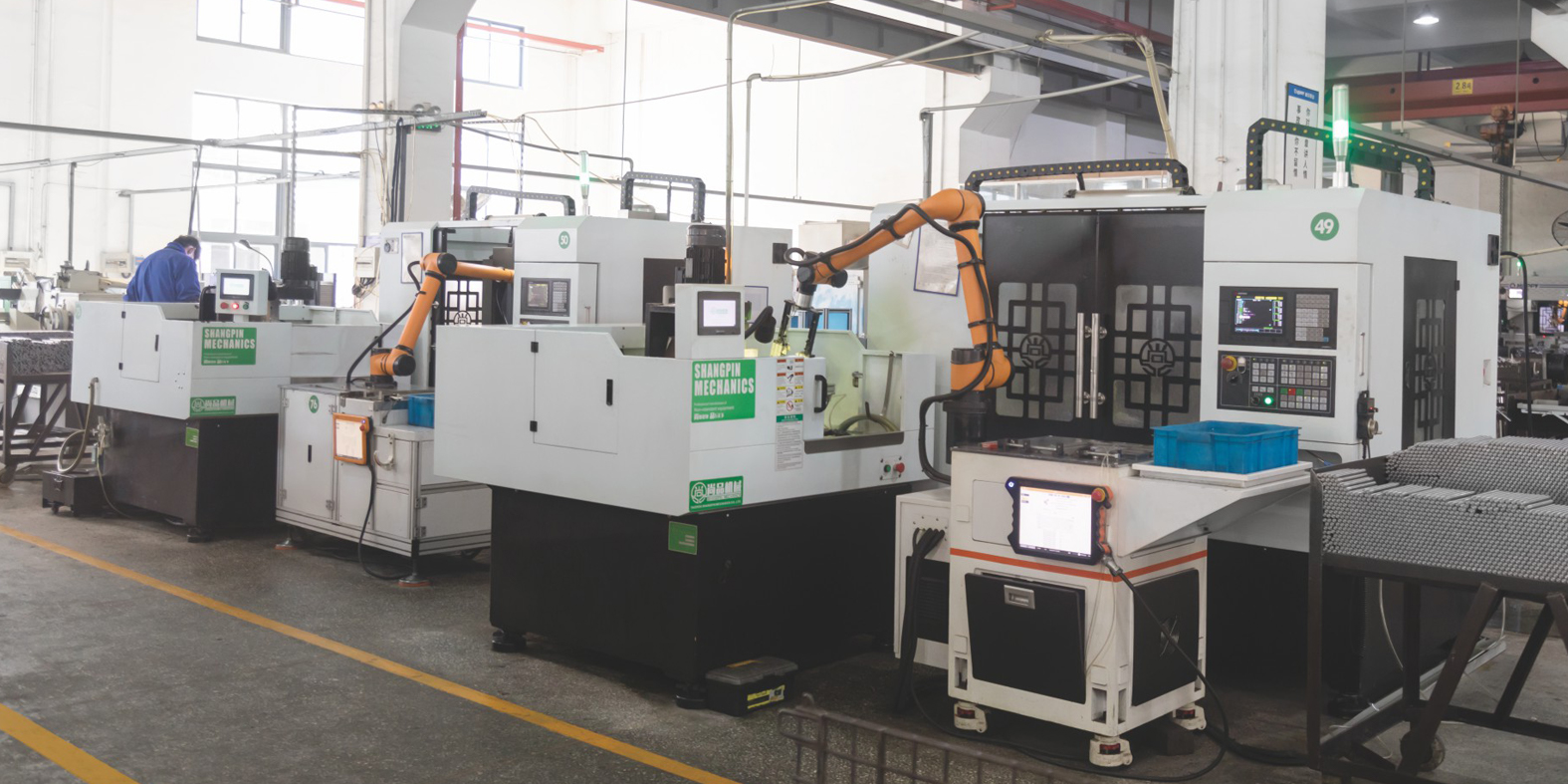
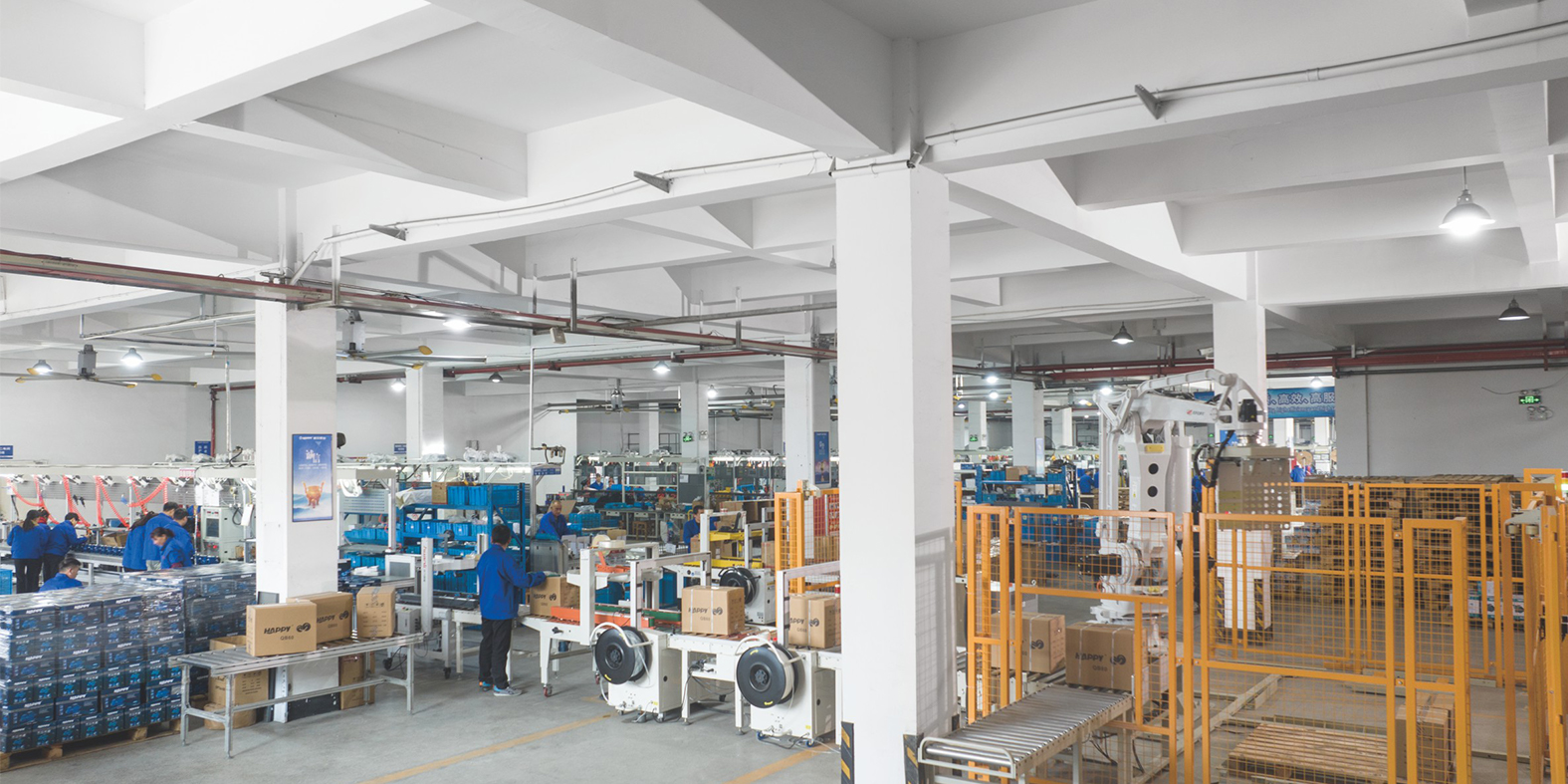
Production capacity and repeatability. Happy Pump reports annual production capacity of approximately 4,000,000 units per year and an annual sales volume of 5 million water pumps, with export business accounting for 99% of total sales. Scale matters less than repeatability: automated production equipment, vacuum coil dipping, automated assembly and high-precision testing systems are the measures used to keep output consistent between orders.
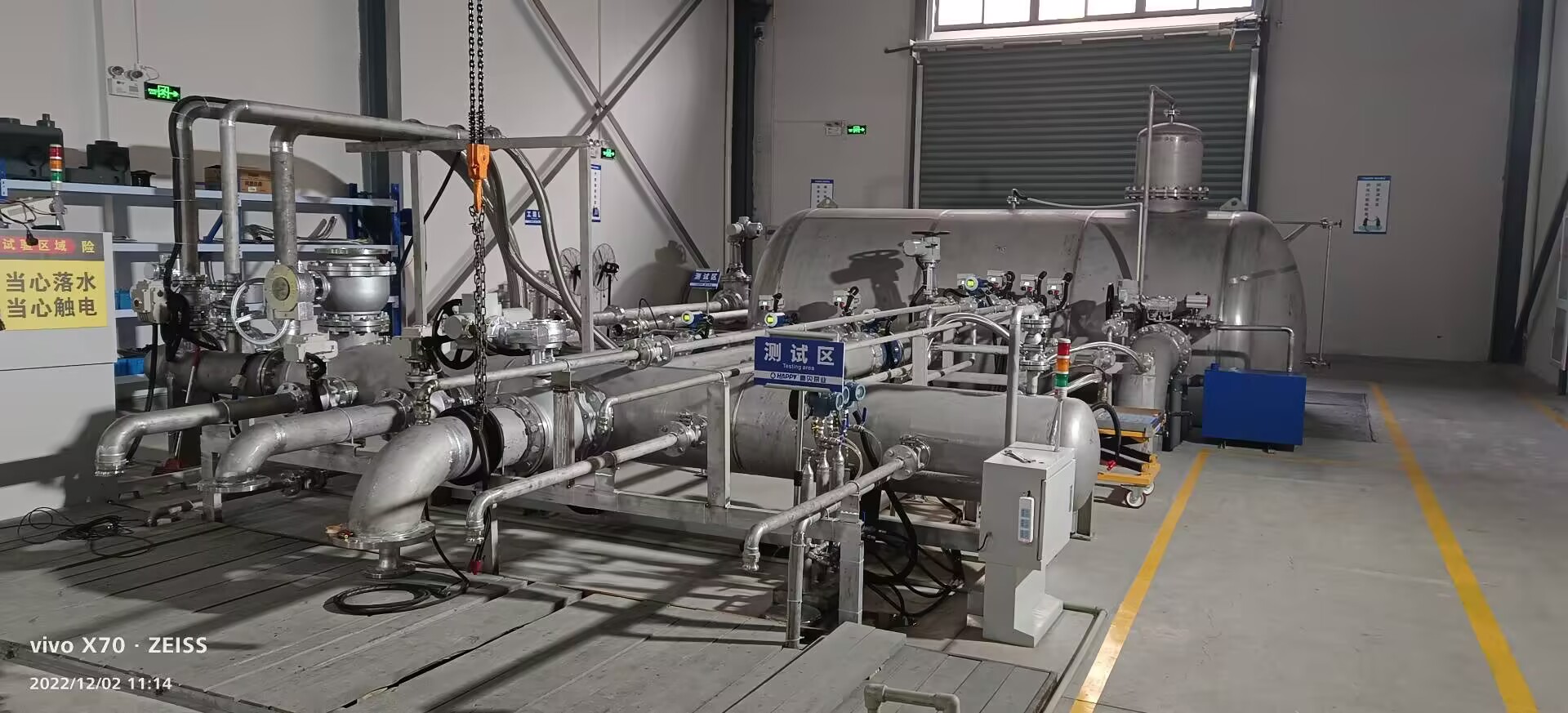
Risk control across the order cycle. The manufacturer addresses supply chain volatility, certification and compliance requirements, lead-time and logistics, and overseas market credit and payment risks. Company measures include automated production equipment, vacuum coil dipping, automated assembly and high-precision testing systems, supported by ISO management systems, incoming and finished-product inspection, and laboratory and performance testing.
Commercial terms that suit programme buying. For pumps below 3HP the minimum order quantity is 200 pieces; above 3HP it is 50 pieces. Delivery terms are FOB or CIF, acceptance inspection is carried out through pre-shipment test procedures, and payment terms are 30/70. For a distributor running several product lines, the practical benefit is a single specification and acceptance routine across pool, sewage, building and irrigation pumps rather than four separate supplier relationships.
FAQ
Which safety standards should a household or agricultural submersible pump be checked against?
IEC 60335-2-41:2024 establishes safety requirements for electric submersible pumps for household and agricultural use, and the standard covers single-phase household pumps for voltages up to 250 V. For the North American market, UL 778 is the primary safety standard for motor-operated water pumps. Buyers should request the certificate that matches the destination market, because certification documentation is what reduces market-entry risk.
Can one supplier cover pool, sewage, solar, building and irrigation pumps in the same project?
Yes, where the supplier is a full-range manufacturer rather than a single-category specialist. Zhejiang Happy Pump Industry Co., Ltd., founded in 1990 and based in Daxi Town, Wenling City, Zhejiang Province, employs around 800 people including about 200 professional and technical staff, and its range covers 11 major series with more than 500 specifications — including submersible pumps, deep well pumps, swimming pool pumps, solar pumps, garden pumps and motors. Model families referenced for these duties include QDX, QDP, HQBm, HPSm-AX and HRSm-A, with IE2, IE3 and IE4 motor options and MS motor configurations where applicable. Because IP rating and material are configuration items, each model should still be confirmed on its datasheet.
What are the minimum order quantity, delivery terms and payment terms?
For pumps below 3HP the minimum order quantity is 200 pieces, and for pumps above 3HP it is 50 pieces. Delivery terms are FOB or CIF. Payment terms are 30/70. These terms apply to standard orders, so a project that mixes several pump types should confirm the combined quantity structure at quotation stage.
How is a sample or first order verified before shipment?
Acceptance inspection is carried out through pre-shipment test procedures. Supporting measures include incoming and finished-product inspection, automated inspection equipment, and laboratory and performance testing, carried out in the test room. For a first order, the pre-shipment test is the practical verification point: it confirms the unit built to the agreed specification before dispatch, rather than after installation.
How do I choose a long-term deep well submersible pump supplier for agricultural irrigation?
Judge the supplier on four things: whether the duty point and material can be repeated on the next order, whether spare parts are part of the product range, whether capacity can absorb seasonal peaks, and whether acceptance is documented. Happy Pump reports annual production capacity of approximately 4,000,000 units, sales of 5 million water pumps per year, and exports to more than 150 countries and regions, with spare parts included in its product range and pre-shipment test used as the acceptance method. Its stated risk controls cover supply chain volatility, certification and compliance, lead-time and logistics, and overseas credit and payment risk. For irrigation programmes where pumps are replaced on a seasonal rhythm, those four points matter more than the first-order price. To discuss a specific irrigation or distribution programme, send the duty point and material requirement through the contact details below and request a quotation and the current catalogue.
Conclusion
Matching a submersible pump to a project is a sequence, not a single decision. Exposure sets the protection level, water condition sets the wetted material, and the electrical environment sets the motor configuration — and only then does the model family become a meaningful choice. Pool circulation, sewage and drainage, solar pumping, building water supply and irrigation each sit at a different point in that sequence, which is why the same pump family can be right for one duty and wrong for another.
For buyers operating across several of these scenarios, the value of a full-range supplier is consistency: one specification process, one acceptance routine, and one spare-part source across the portfolio. That is the difference between buying a pump and running a programme.
Request the catalogue, a quotation, or a specification review
Send your duty point, water condition and target market, and we will confirm the protection level, material and motor configuration for the model family that fits.
Contact: Henry Guan | Mobile / WeChat / WhatsApp: +86-13758679190 | Tel: +86-576-86331608 | Email: admin@happypump.com
www.happypump.comWhatsAppDownload catalogue (PDF)

Submersible pumpPool & sewage dutySolar pumpingIP44–IP68Cast iron / stainless steel / plasticsIE2 / IE3 / IE4
Have Questions or Need More Details?
Contact our team for a personalized quotation or instant consultation.
Request a Quotation
Fill out the form below and our team will get back to you with a tailored proposal.
WhatsApp Direct Chat
Prefer to chat in real-time? Message us on WhatsApp for instant assistance & quick answers.
- Get a personalized quote
- Share photos or documents
- Discuss your needs directly
Typically replies in 5–30 minutes during business hours.