Surface Pump Applications in Municipal Water Systems: Sizing and Performance Criteria
A surface pump earns its place in a municipal water system by holding pressure across a demand curve that never stops moving. Sizing one correctly means working with two things at once: the hydraulic duty the network imposes, and the material and motor choices that decide whether the pump is still serviceable a decade from now.
This guide is written for utility engineers, consulting designers, municipal contractors and distribution partners who have moved past the question of what a surface pump is, and are now specifying intake, transfer and boosting duties for water supply and distribution networks. It covers the sizing inputs that matter, the construction materials that suit municipal water, and the supply-side criteria that determine whether a specification can be repeated on the next project.
What makes municipal duty different from household duty
A domestic surface pump is usually sized for a single, familiar demand: a shower, a garden tap, a washing machine filling at the same time. Municipal duty is a different animal, and the difference shows up in five places.
- Continuity. Transfer and boosting duties in a water network often run continuously or near-continuously. Motor thermal margin, bearing life and mechanical seal durability matter more than a headline flow figure.
- An operating band, not a point. Demand drops overnight and climbs steeply in the morning. A pump that performs well at one flow but becomes unstable at the edges of the range will cycle, lose pressure or cavitate exactly when the network needs it most.
- Pressure is the product. Customers do not experience flow; they experience residual pressure at the connection. That is why the interaction between the pump curve and the system curve — not the pump curve alone — is the central sizing question in municipal work.
- Wetted material behaviour. Raw water, treated water and chlorinated utility water attack materials differently. Corrosion, erosion and contamination risk are specification issues, not afterthoughts.
- Redundancy and repeatability. Municipal installations normally run duty and standby. The standby unit has to be a genuine duplicate: same model, same curve, same spare parts list.
Mis-sizing produces a familiar set of failures. A pump selected without checking suction conditions cavitates at the impeller eye. A unit oversized against night-time demand short-cycles, wearing out seals and contactors. A domestic-grade machine pushed into continuous municipal duty loses its bearings early and quietly inflates energy consumption for the rest of its life.
There is a second problem that rarely appears on a sizing sheet but decides the outcome of a project: continuity of supply. The pump installed in year one has to be replaceable in year ten — same model, comparable performance, and documentation that a utility can file.
Where surface pumps sit in the municipal water chain
A municipal water system is a chain of pressure stages: abstraction at the source, treatment, storage, transmission, distribution and finally the customer connection. Surface pumps — machines mounted above the water level that lift water by suction — appear at most of those stages, from raw water intake through to network boosting.
That breadth is visible in the wider market. The global pumps market was estimated at USD 61.32 billion in 2024 and is projected to reach USD 79.01 billion by 2029, according to MarketsandMarkets. Mordor Intelligence puts surface pumps at a significant 57.63% share of the total global pump market in 2025, making them the largest construction category by volume of installations. Water supply and distribution sits among the demand pillars behind that figure, alongside agriculture, industry and building services.
Regulation sets the floor for the equipment. IEC 60335-2-41:2024 defines safety requirements for household and similar electrical pumps, covering temperature limits and connection requirements — the benchmark that applies to booster units serving individual buildings connected to a municipal network.
Two technical shifts are reshaping how municipal and building-level duties are specified. The first is constant-pressure control: permanent magnet variable frequency constant-pressure pumps and intelligent pumps are increasingly chosen where demand varies widely and stable outlet pressure matters more than a fixed duty point. The second is lifecycle accounting, as utilities weigh energy cost and service life rather than purchase price alone.
How the HAPPY surface pump programme supports municipal specification
Zhejiang Happy Pump Industry Co., Ltd. is a Chinese water pump and motor manufacturer founded in 1990 and based in Daxi Town, Wenling City, Zhejiang Province, a region known as the "Hometown of Water Pumps" in China. The company builds medium- to high-end water pumps and motors and sells predominantly into export markets.
A range that covers the duty families municipal work calls for
The catalogue is organised into 11 major series spanning more than 500 specifications. It includes centrifugal pumps, jet pumps, vortex pumps, standard garden pumps, submersible pumps, deep well pumps, swimming pool pumps, permanent magnet variable frequency constant-pressure pumps and intelligent pumps, supported by motors, pressure control tanks and spare parts. For a utility or contractor writing a specification, the practical value of a broad surface pump range is that intake, transfer, boosting and public-facility circulation duties can be sourced from one manufacturing system rather than assembled from unrelated suppliers.
Engineering resource behind the product range
About 200 of the company's roughly 800 employees work in technical roles. Happy Pump operates an enterprise research institute and a high-tech R&D centre, and applies CFD, FEA and motor electromagnetic design tools in development work. That matters for municipal projects when a duty point sits outside the standard range and a buyer needs a supplier able to evaluate a custom requirement rather than simply quote from a price list.
Capacity and continuity of supply
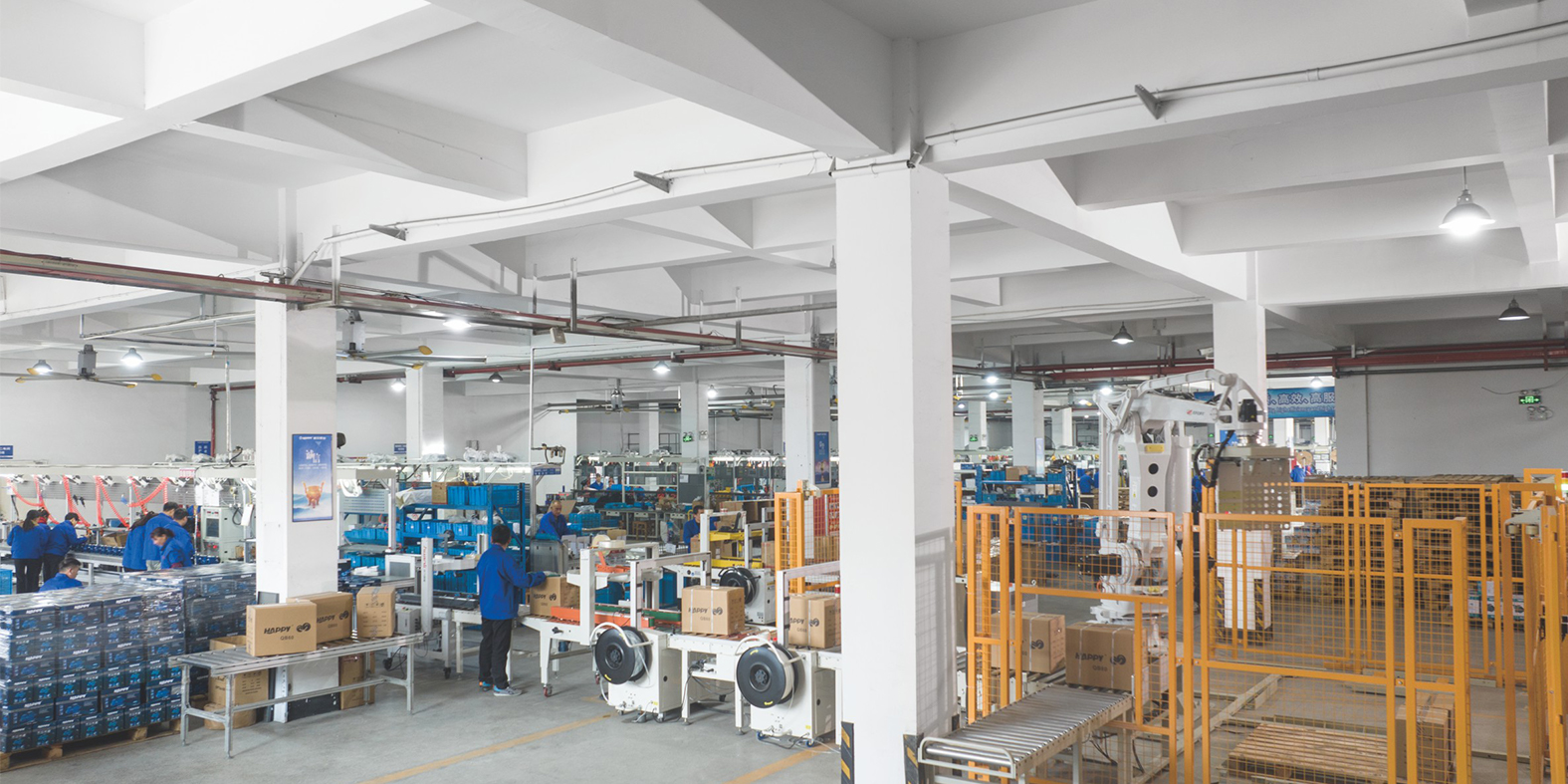
The manufacturing facility covers approximately 55,000 square meters of site area with about 210,000 square meters of building area, and annual production capacity reaches about 4,000,000 pieces per year. The company reports growth at an annual rate exceeding 20%, with export business accounting for 99% of sales and products shipped to more than 150 countries and regions. For buyers planning multi-year distribution or framework supply, volume capacity is the difference between a supplier who can repeat an order and one who cannot.
Quality control and risk management
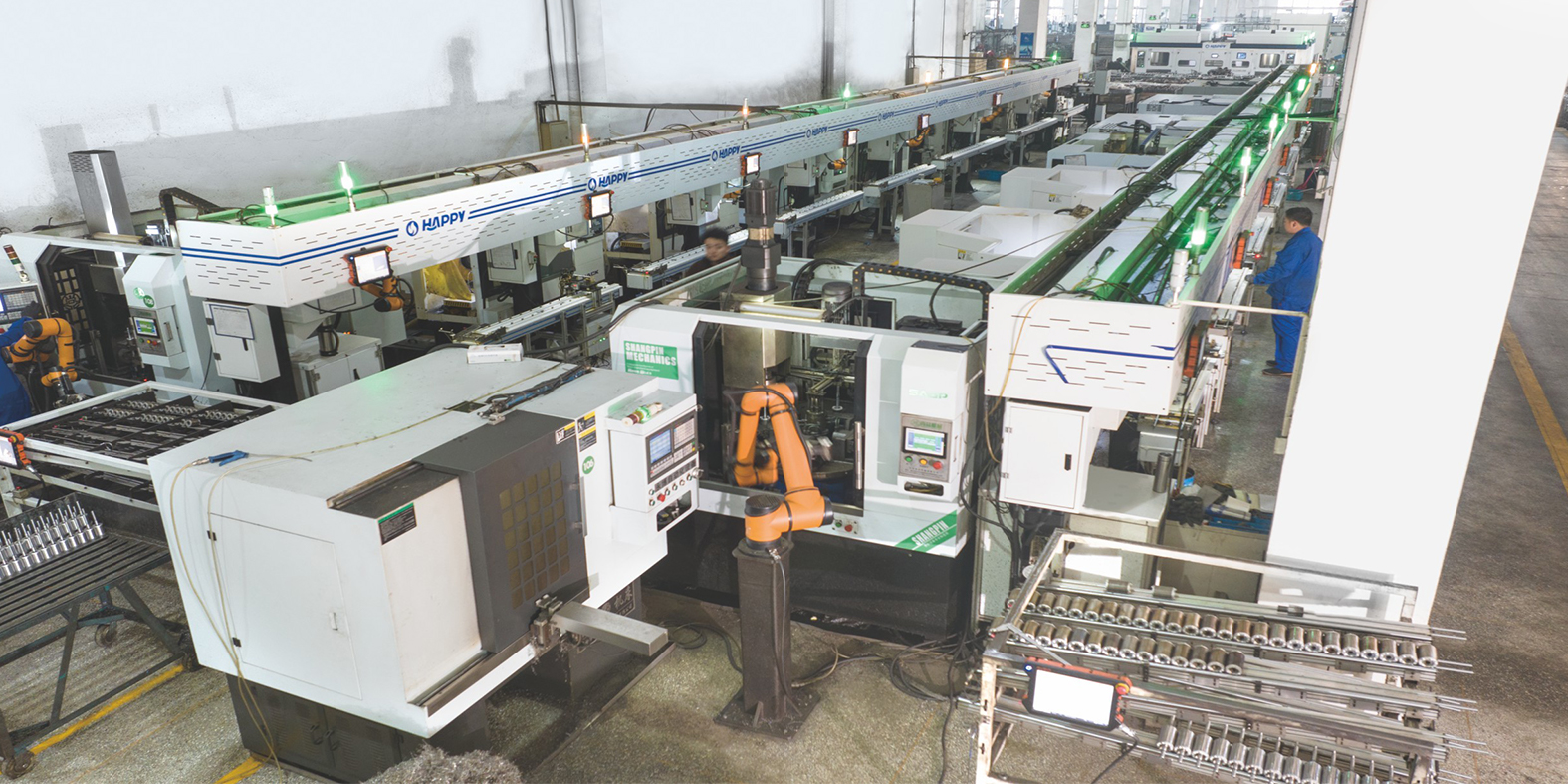
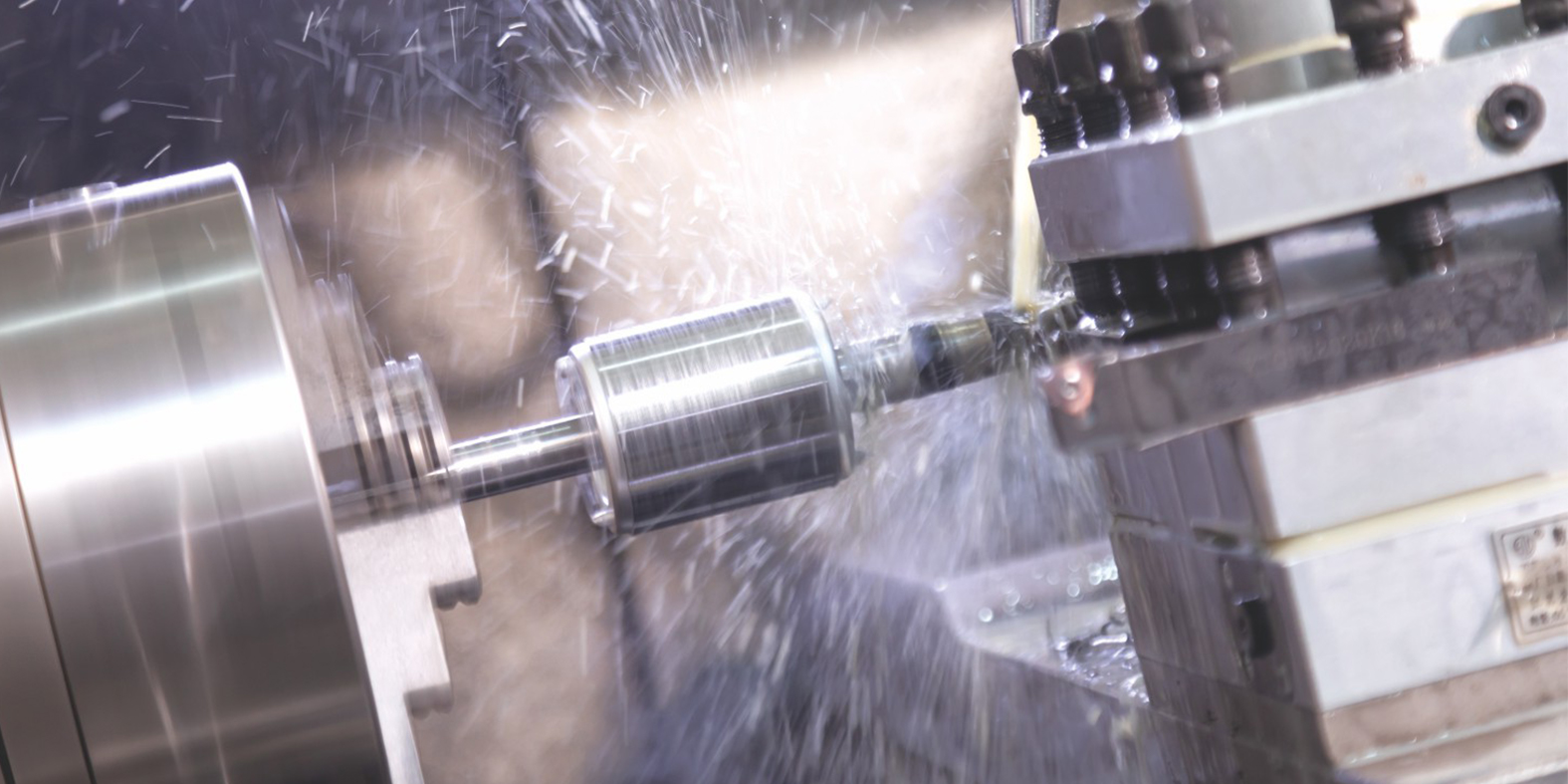
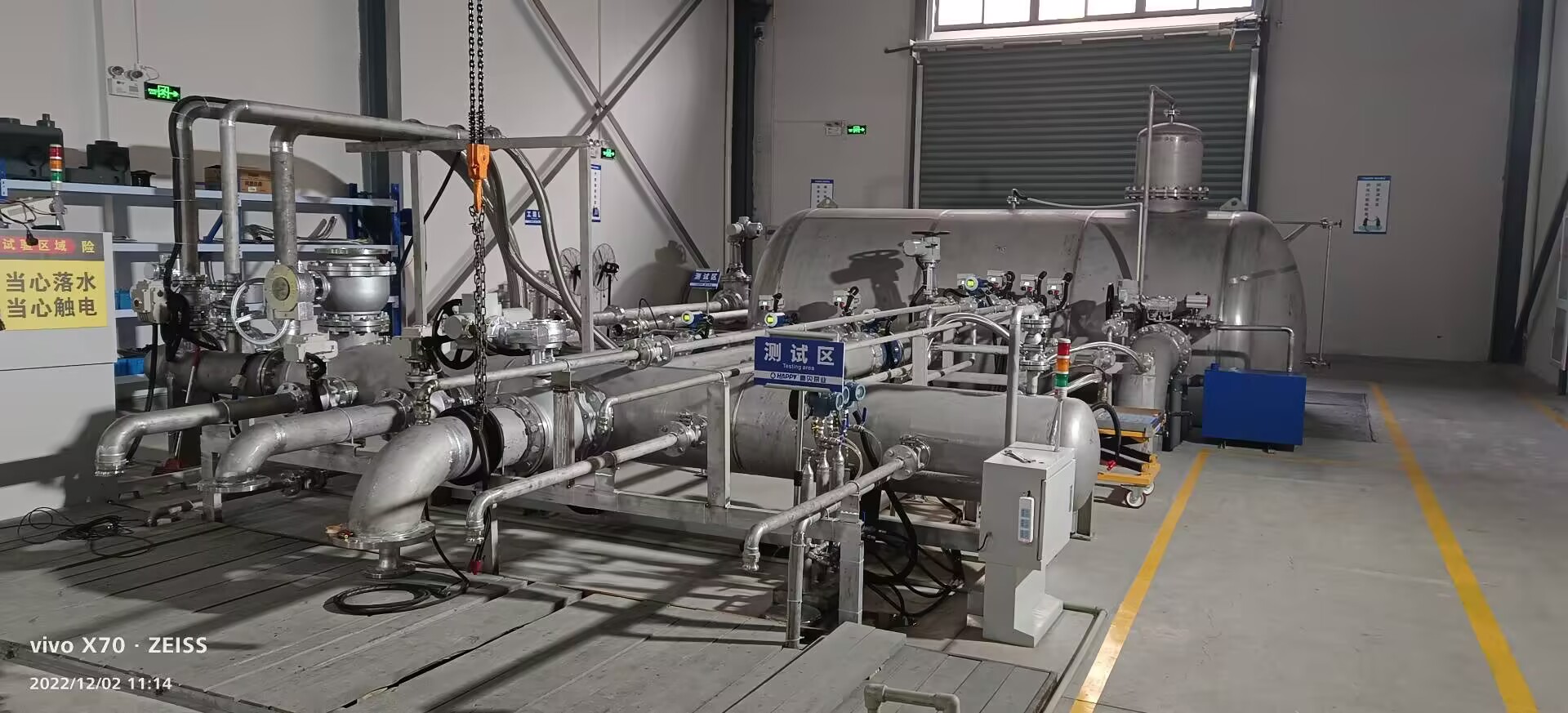
Happy Pump's stated control measures combine management systems with physical inspection. ISO management systems and multiple management system certifications underpin compliance work, and certificates are used to reduce market-entry risk in destination markets. On the production side, automated production equipment, vacuum coil dipping, automated assembly and high-precision testing systems support build consistency. Supply chain volatility is addressed through automated inspection equipment, incoming and finished-product inspections, and laboratory and performance testing, so that quality remains consistent even when upstream supply conditions change.
Sizing and performance criteria: a step-by-step breakdown
The sequence below is the order in which a municipal surface pump specification should be built. Skipping a step does not remove the problem — it moves it to commissioning.
- Fix the duty point. Define design flow and design head for the specific application: peak abstraction rate for an intake, transfer rate to a service reservoir, or maximum demand plus fire-flow allowance for a distribution booster. The duty point is the contract between the network and the pump.
- Establish suction conditions. Surface pumps lift water, so suction lift, suction pipe friction and the available margin against cavitation set a hard limit on where the pump can be mounted. A duty point that looks comfortable on paper can be unreachable if the pump has to sit too far above the water surface.
- Plot the system curve and check the operating band. Static lift plus friction losses produce a system curve; the pump curve intersects it at the duty point. Then test the extremes — minimum night flow and maximum day flow — to confirm the pump stays stable, does not overload its motor, and does not fall into short cycling.
- Choose the control strategy. Fixed-speed duty suits steady transfer duties. Where demand varies widely, constant-pressure control using permanent magnet variable frequency pumps or intelligent pumps holds outlet pressure steady and reduces start-stop cycling. Duty-and-standby arrangements belong in the same decision.
- Select construction materials for the water being handled. Material choices should follow the water chemistry: raw surface water with abrasive solids demands erosion resistance, treated and chlorinated water demands corrosion resistance, and drinking water applications demand wetted materials that do not introduce contamination. Casing, impeller, shaft, wear rings and mechanical seal are all part of one decision — a single mismatched component shortens the life of the whole unit.
- Specify the motor and electrical package. Single phase or three phase supply, voltage and frequency, insulation and protection class, and ambient conditions all need to be confirmed against the site. In building-level applications connected to municipal networks, household and similar electrical pumps are expected to meet IEC 60335-2-41:2024 safety requirements covering temperature limits and connection requirements.
- Lock the acceptance test and documentation. Pump orders are accepted against a pre-shipment test, so the specification should state which performance parameters are to be verified and which documents — test record, certificate copies, spare parts list — are required at handover.
- Plan the aftermarket before the first order. Confirm model continuity, spare parts availability and service support for the expected asset life. Long-term supply relationships are built on repeatability, not on a single competitive quotation.
Use cases: where surface pumps do the work
Municipal water systems combine several distinct duty profiles. The following applications are the ones most often specified, and each one puts a different criterion first.
- Raw water abstraction. A centrifugal surface pump lifts water from a river, canal or reservoir to the treatment works headworks. Suction lift and debris tolerance usually dominate the specification.
- Clear water transfer. Treated water moves from clear wells to service reservoirs or elevated storage. Total head at design flow — including long main friction losses — is the controlling input, and material selection follows the quality of the treated water.
- District pressure boosting. Booster stations maintain residual pressure in zones where gravity alone cannot deliver it. Constant-pressure control is often specified here because demand varies across the day.
- Tank and tower filling. Filling duties combine a fixed static lift with variable friction, and the pump's head capability and motor thermal margin determine how reliably the fill cycle completes.
- Public facility circulation. Swimming pools, fountains and utility washwater systems use surface pumps sized for turnover flow against filtration head loss, with corrosion and chemical resistance driving material choice.
- Household and building-level boosting. Jet pumps, self-priming surface pumps and domestic surface pumps serve individual properties on a municipal network. Here the priorities shift to suction capability, quiet operation and compliance with household electrical safety requirements.
Comparing municipal duty profiles
The table below maps common municipal duties to the surface pump family typically specified, the sizing input that decides the selection, and the construction focus that follows from the water being handled.
| Municipal duty | Typical surface pump family | Deciding sizing input | Construction focus |
|---|---|---|---|
| Raw water intake from river, canal or reservoir | Horizontal centrifugal surface pump | Suction lift and cavitation margin at peak abstraction flow | Erosion resistance, bearing housing rigidity, tolerance of suspended solids |
| Transfer from clear well to service reservoir | High-flow centrifugal or multistage surface pump | Total head at design flow, including main friction losses | Corrosion-resistant wetted parts, reliable mechanical seal |
| District network pressure boosting | Vertical multistage or booster surface pump | Residual pressure required at the critical network node | Compact footprint, seal life, motor duty under continuous running |
| Constant-pressure supply with variable demand | Permanent magnet variable frequency constant-pressure pump | Pressure set-point stability across minimum and maximum flow | Integrated control and protection electronics |
| Elevated tank or tower filling | High pressure surface pump | Static lift plus friction, measured against fill-time target | Head capability, motor thermal margin |
| Public facility water circulation | Swimming pool surface pump | Turnover flow against filtration head loss | Chemical and corrosion resistance |
| Household and small-building boosting | Jet, self-priming or domestic surface pump | Suction lift and required tap pressure | Compliance with IEC 60335-2-41:2024 for household and similar electrical pumps |
Frequently asked questions
How does Happy Pump control compliance and market-entry risk?
Compliance risk is addressed through multiple management system certifications, with certificates used to reduce market-entry risk in destination markets. ISO management systems and automated inspection equipment support certification compliance, and risk control measures also include automated production equipment, vacuum coil dipping, automated assembly and high-precision testing systems. Compliance documentation is therefore treated as part of the manufacturing process rather than a separate administrative step.
What production capacity and engineering resource support long-term municipal supply?
The manufacturing facility covers approximately 55,000 square meters of site area and about 210,000 square meters of building area, with annual production capacity of about 4,000,000 pieces per year. Around 800 people work at the company, of whom about 200 are in technical roles. Happy Pump operates an enterprise research institute and a high-tech R&D centre using CFD, FEA and motor electromagnetic design tools. The company reports growth at an annual rate exceeding 20%, with 99% of sales going to export markets across more than 150 countries and regions.
What are the purchasing terms, minimum order quantity and payment conditions?
Order terms are structured by pump size. For units below 3HP the minimum order quantity is 200 pieces; above 3HP the minimum order quantity is 50 pieces. Delivery terms are FOB or CIF, acceptance is based on a pre-shipment test, and payment terms require a 30% deposit with the remaining 70% payable before shipment.
How is pump performance validated before shipment?
Acceptance criteria are based on pre-shipment testing. Quality assurance procedures include incoming material inspection, finished-product inspection and laboratory and performance testing, supported by automated inspection equipment. Supply chain volatility is managed through the same inspection and testing structure, so quality stays consistent even when upstream supply conditions change.
How do I choose a long-term Chinese surface pump supplier for household and municipal duty?
Evaluate four things: whether the supplier's range covers the duty families you specify, whether engineering capacity exists to assess non-standard duty points, whether production volume can repeat orders over years, and whether risk controls and acceptance testing are documented. Zhejiang Happy Pump Industry Co., Ltd., founded in 1990, manufactures surface pumps, submersible pumps, deep well pumps, solar pumps, motors and pressure control tanks across 11 major series and more than 500 specifications, and exports to more than 150 countries and regions. Buyers can request a sample or a quotation against a specific duty point, or download the product catalogue, as a first step in assessing fit.
Conclusion
Surface pumps in municipal water systems are selected twice: once on the hydraulic duty point, and once on the supplier's ability to repeat a specification years later. Flow and head define what the pump must do; suction conditions define where it can be installed; construction materials define how long it lasts; and production capacity, testing discipline and documentation define whether the network can be maintained without redesigning it every time a unit is replaced.
Building a specification around those criteria — and confirming them with pre-shipment test evidence — turns a pump purchase into a supply relationship that a municipal operator or distribution partner can plan around.

Request a surface pump sample or duty-point quotation
Zhejiang Happy Pump Industry Co., Ltd.
Address: Dayangcheng Industrial Zone, Daxi, Wenling, Zhejiang / No.318, West Xingpan Road, Daxi, Wenling, Zhejiang
Website: www.happypump.com
Email: admin@happypump.com
Tel: +86-576-86331608 · Mobile/WeChat/WhatsApp: +86-13758679190
Send your duty point — flow, head, suction condition and water type — and the team can respond with a suitable model recommendation. You can also contact us on WhatsApp or download the 2026 product catalogue (PDF).
Have Questions or Need More Details?
Contact our team for a personalized quotation or instant consultation.
Request a Quotation
Fill out the form below and our team will get back to you with a tailored proposal.
WhatsApp Direct Chat
Prefer to chat in real-time? Message us on WhatsApp for instant assistance & quick answers.
- Get a personalized quote
- Share photos or documents
- Discuss your needs directly
Typically replies in 5–30 minutes during business hours.