
What Is a Surface Pump? Working Principles and Use Cases
What Is a Surface Pump? Working Principles and Common Use Cases
A surface pump is a water pump installed above ground, next to the water source rather than inside it. It draws water up through a suction pipe, adds energy with a rotating impeller inside the pump body, and pushes the water out through a discharge line. Because the pump itself never enters the water, installation, inspection and servicing all happen in the open air — which is why surface pumps are the default choice for household water supply, garden and field irrigation, swimming pool circulation and light pressure boosting.
This article is written for first-time buyers: importers, distributors, contractors and facility owners who need to understand what a surface pump actually is before comparing models, quotes or suppliers. It explains the above-ground architecture, the working principle, the main types, the real differences from submersible and deep well pumps, and the specification steps that decide whether an installation works or fails.
Problem Definition: Why Surface, Submersible and Deep Well Pumps Get Confused
The naming of pump categories describes where the pump sits, not what it does. Three pumps can look similarly rated on paper and still be completely unsuitable for the same water source. That mismatch is the single most common cause of failed installations.
Typical symptoms of a wrong category choice:
- The pump is installed at ground level but cannot lift water from the source at all.
- A pump that is supposed to sit in a tank or a well is installed dry and overheats.
- A unit is selected for a deep borehole although its suction side was never designed to work that way.
- A buyer compares flow and head figures across categories without comparing installation position or water condition.
The practical fix is to separate three questions before looking at any data sheet: where will the pump be mounted, how far below the pump is the water surface, and what duty point (flow and head) does the application need. Surface pumps answer a specific combination of those three answers — above-ground mounting, water close enough to be lifted by suction, and clean water at low to medium duty. Everything else in this guide follows from that combination.
Industry Background: Where Surface Pumps Fit Today
Pumps are a mature but large equipment category. The global pumps market was estimated at USD 61.32 billion in 2024 and is projected to reach USD 79.01 billion by 2029, according to MarketsandMarkets. Research houses segment the market differently, so totals vary slightly between sources, but the direction is consistent.
Within that market, surface pumps are the broadest category. Mordor Intelligence estimates that surface pumps held a 57.63% share of the total global pump market in 2025. The share reflects how many everyday duties are above-ground duties: household water supply, garden watering, transfer, pool circulation and boosting.
Two application segments are especially relevant for surface pump buyers:
- Agriculture. Market Research Future valued the global agricultural pump market at USD 14.59 billion in 2024, with a projected CAGR of 4.98% through 2035. Surface pumps serve a large part of that demand where the water source is a canal, pond, tank or shallow well near the field.
- Solar water pumping. Market Data Forecast valued the solar pump market at USD 2.90 billion in 2024, driven by falling PV module prices and government subsidies in Asia-Pacific. Solar-driven surface pumps are a common configuration for daytime irrigation where grid power is unreliable.
Regulation also shapes the category. Household and similar electrical pumps must comply with IEC 60335-2-41:2024, the safety standard covering temperature limits and connection requirements. For a buyer, that standard is not a formality: it defines the boundary between a pump that can be legally placed on a household market and one that cannot.
How a Surface Pump Works: The Above-Ground Architecture
The main components
A surface pump is a compact assembly rather than a single part. The essential components are:
- Pump casing (body) — the housing that contains the impeller and converts velocity into pressure.
- Impeller — the rotating element that transfers energy to the water. Impeller geometry is what separates a peripheral (vortex) pump from a centrifugal or multistage pump.
- Shaft and mechanical seal — the shaft transmits motor torque; the seal keeps water out of the motor and bearing area.
- Motor — the drive. Surface pump motors are supplied as AC single-phase or three-phase units, and solar-driven configurations use a motor matched to a PV array and controller.
- Suction port with strainer or foot valve — the water inlet, normally fitted with a strainer to keep debris out and often a foot valve to keep the suction line primed.
- Discharge port — the outlet to the delivery line.
- Priming chamber (on self-priming models) — a chamber that retains water so the pump can re-prime itself after a stoppage.
- Control device — a pressure switch, float switch, electronic controller or variable-frequency drive, depending on whether the pump is manual, automatic or smart.
The working principle in four steps
- Suction. With the pump body and suction line full of water, the rotating impeller creates a low-pressure zone at the eye of the impeller. Atmospheric pressure acting on the open water surface pushes water up the suction pipe into the pump.
- Energy transfer. The impeller blades accelerate the water outward. Mechanical energy from the motor becomes kinetic energy in the water.
- Pressure conversion. The volute-shaped casing slows the water down, converting much of that kinetic energy into pressure energy.
- Discharge. The pressurised water leaves through the discharge port and travels down the delivery line to the tap, sprinkler, filter or tank.
Two consequences follow directly from this principle. First, a surface pump must be primed: if air enters the pump body, the impeller spins in air, no suction is generated and the seal can be damaged. Second, suction lift is physically limited by atmospheric pressure and by friction losses in the suction line, so a surface pump only suits a water source that is relatively close to the pump. Where the water level is far below ground, the pump has to go into the water instead — which is exactly what a submersible or deep well pump does.
Priming, self-priming and suction-line hygiene
A standard centrifugal surface pump usually needs manual priming before each start after the line has been drained. A self-priming surface pump is built with a chamber that holds water, so it can evacuate air from the suction line on its own and re-prime after a stop-start cycle. In practice, self-priming models are preferred wherever the pump cycles frequently — household supply with a pressure tank, for example — or where the water level fluctuates.
The Main Surface Pump Types and Where Each Fits
Surface pump is a category, not a single product. The differences between types come from impeller design, number of stages, priming behaviour and control electronics.
| Type | What it is | Typical duties |
|---|---|---|
| Household / domestic surface pump | Compact above-ground pump for a single home water system | Water supply from a tank, shallow well or cistern; garden taps |
| Peripheral (vortex) surface pump | Pump with a peripheral impeller that produces high pressure at low flow | Pressure boosting, small transfer duties, spray systems |
| Centrifugal surface pump | Single-stage pump using a standard centrifugal impeller | General clean-water transfer, irrigation, circulation |
| Jet surface pump | Pump using a jet ejector to extend suction capability | Household supply where the water level sits deeper than a plain centrifugal can handle |
| Self-priming surface pump | Pump with a priming chamber that clears air automatically | Frequently cycling systems, fluctuating water levels |
| Horizontal multistage surface pump | Several impellers in series on a horizontal shaft | Higher pressure duties such as boosting and distribution |
| Vertical multistage surface pump | Stacked stages in a vertical body, saving floor space | Building pressure boosting, process water, compact plant rooms |
| Swimming pool surface pump | Pump built for continuous circulation through a filter | Pool filtration and water circulation |
| Solar surface pump | Above-ground pump driven by a PV array and controller | Daytime irrigation and off-grid water supply |
| Booster surface pump | Pump dedicated to raising pressure in an existing line | Mains boosting, upper floors, irrigation lines |
| Automatic / smart surface pump | Pump with integrated pressure, flow or frequency control | Constant-pressure household supply, unattended installations |
The same product line can cover several of these roles. ZHEJIANG HAPPY PUMP INDUSTRY CO.,LTD, a pump and motor manufacturer established in 1990 and based in Daxi Town, Wenling City, Zhejiang Province, produces 11 major series covering more than 500 specifications, including vortex pumps, centrifugal pumps, jet pumps, standard garden pumps, submersible pumps, deep well pumps, swimming pool pumps, permanent magnet variable frequency constant-pressure pumps and intelligent pumps.
Surface Pump vs Submersible Pump vs Deep Well Pump
The three categories solve the same problem — moving water — but they are placed differently and therefore chosen by water-source geometry, not by preference.
| Parameter | Surface pump | Submersible pump | Deep well pump |
|---|---|---|---|
| Installation position | Above ground, beside the water source | Submerged in the water it pumps | Submerged in a borehole or deep well |
| How water enters | Lifted by suction through a suction pipe | Drawn in directly, pushed upward by the pump | Drawn in directly inside the well casing |
| Water-source depth | Suitable where the water level is close enough to be lifted | Suitable for tanks, ponds and deeper open water | Built for deep groundwater in a narrow borehole |
| Typical duties | Household supply, boosting, irrigation, pool circulation, transfer | Drainage, sewage, tank supply, fountain and circulation duties | Rural well water intake and farm irrigation |
| Servicing access | Direct — no lifting equipment needed | Requires lifting the unit out of the water | Requires lifting the unit out of the borehole |
| Main risk | Air leaks and loss of priming on the suction side | Seal and cable entry integrity under water | Sand and abrasives entering the pump stage |
The practical decision rule is simple. If the pump can be reached from the surface with a suction line, a surface pump is the cheaper and easier installation to maintain. If the water is deeper, or the pump must be submerged to work, a submersible or deep well pump is required regardless of the flow rate in the catalogue.
Manufacturers are often not interchangeable across these categories. To illustrate the difference in scope, Frog Pump Industry Co., Ltd produces deep well submersible pumps only, positioning it for rural well water intake and farm irrigation. Happy Pump supplies a full range of water pumps covering household boosting, garden irrigation, sewage drainage, swimming pool circulation and deep well water supply — a relevant distinction when one buyer needs a single qualified source for several product categories.
Step-by-Step: How to Specify a Surface Pump
The specification sequence below works for a single household unit and for a container order of agricultural pumps alike.
- Define the duty point first. Establish the required flow and the total head the pump must produce (vertical lift plus delivery height plus friction losses). A pump is only correct at a duty point, not in general.
- Survey the suction side. Determine the distance and height difference between the pump position and the water surface, and check that the water level does not fall too far during dry periods.
- Select the pump type. Use the table above: centrifugal for general transfer, jet where suction capability must be extended, multistage where pressure is the limiting factor, self-priming where the system cycles.
- Match the motor and power supply. Confirm single-phase or three-phase supply, voltage and frequency, and whether a solar configuration is intended. Motor selection is a separate engineering decision from pump hydraulics.
- Check the water condition. Surface pumps are clean-water machines. Abrasives, sand or fibrous solids belong to other pump families; specifying a clean-water pump for dirty water is a guaranteed warranty dispute.
- Choose the control mode. Manual start, float switch, pressure switch, automatic constant-pressure control or a variable-frequency drive. Control choice determines whether the installation needs an operator.
- Verify compliance and documentation. For household pumps, confirm conformity with IEC 60335-2-41:2024 and request the certificates that apply to the destination market.
- Verify the supplier and the acceptance test. Agree on the pre-shipment test, inspection records and the commercial terms before the order is placed.
Common Use Cases for Surface Pumps
- Domestic water supply. A household surface pump paired with a pressure tank or an automatic controller delivers water from a cistern, tank or shallow well to taps, showers and appliances.
- Pressure boosting. A booster surface pump raises pressure in an existing line where mains pressure is insufficient, including upper floors of small buildings.
- Garden and landscape irrigation. Standard garden pumps and self-priming models feed sprinklers and drip lines from stored water.
- Agricultural irrigation. Surface pumps move water from canals, ponds and reservoirs to field distribution systems — the largest single application block for the category.
- Swimming pool circulation. A pool surface pump drives continuous circulation through the filter, which is a long-duty-cycle application rather than a transfer duty.
- Solar water pumping. An above-ground pump driven by a PV array and controller supplies daytime irrigation or livestock water where grid power is unavailable.
- Light industrial transfer. Clean-water transfer, washing, cooling loops and tank filling in small plants.
What a Long-Term Surface Pump Supply Partner Looks Like
Because surface pumps are usually bought repeatedly rather than once, the supplier relationship matters as much as the first order. A partner worth keeping has four visible characteristics: range coverage, engineering depth, measurable quality control and stable commercial terms.
Range coverage. A single source that covers household, garden, pool, boosting and solar duties reduces the number of suppliers a distributor has to qualify. Happy Pump's product range includes surface pumps, submersible pumps, deep well pumps, solar pumps, motors, pressure control tanks and spare parts.
Engineering depth. The manufacturer employs around 800 people, including about 200 professional and technical staff, and operates an enterprise research institute and high-tech R&D center using CFD, FEA and motor electromagnetic design tools. That capability is what allows a range to be extended year on year rather than copied.
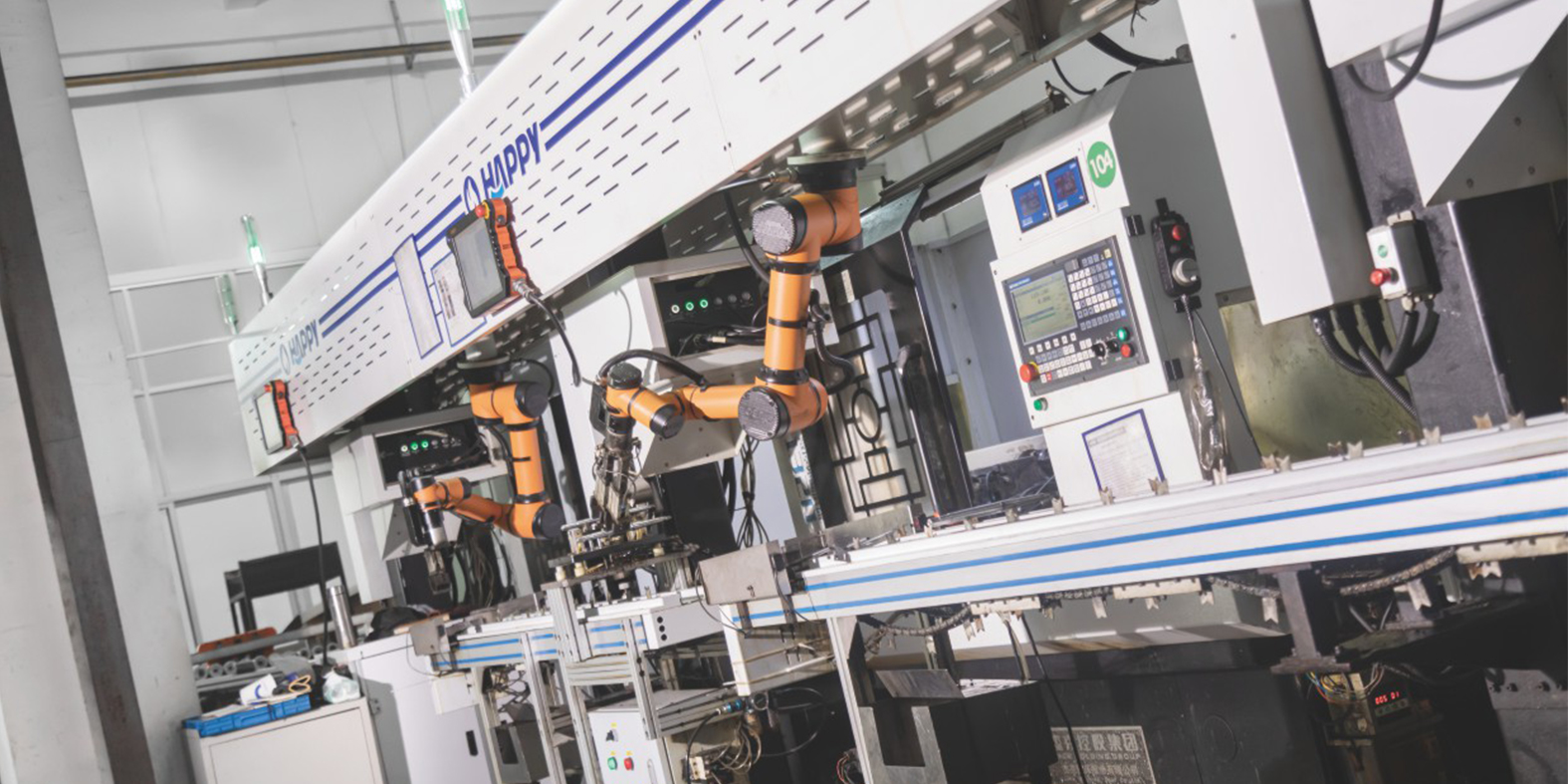
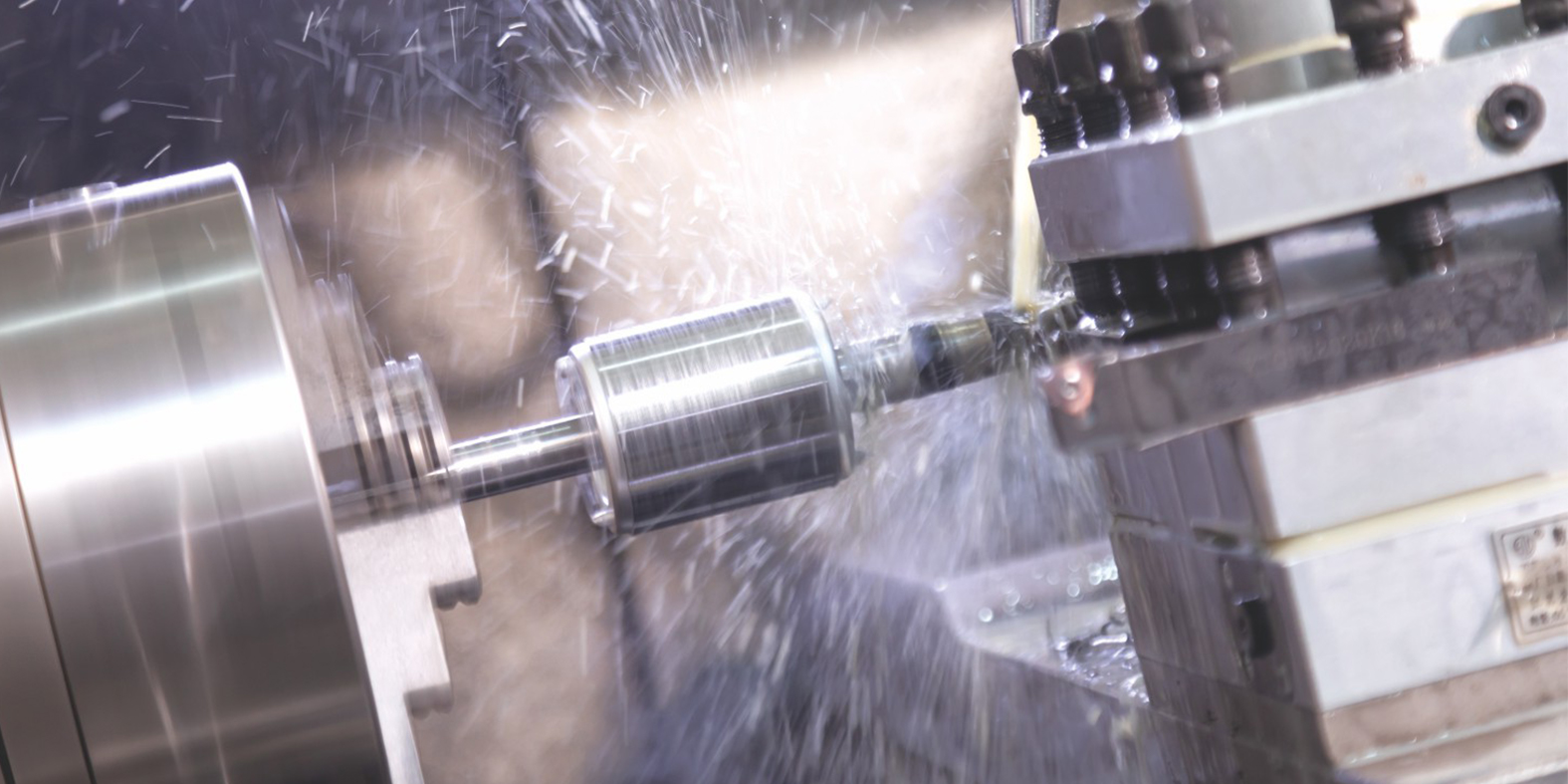
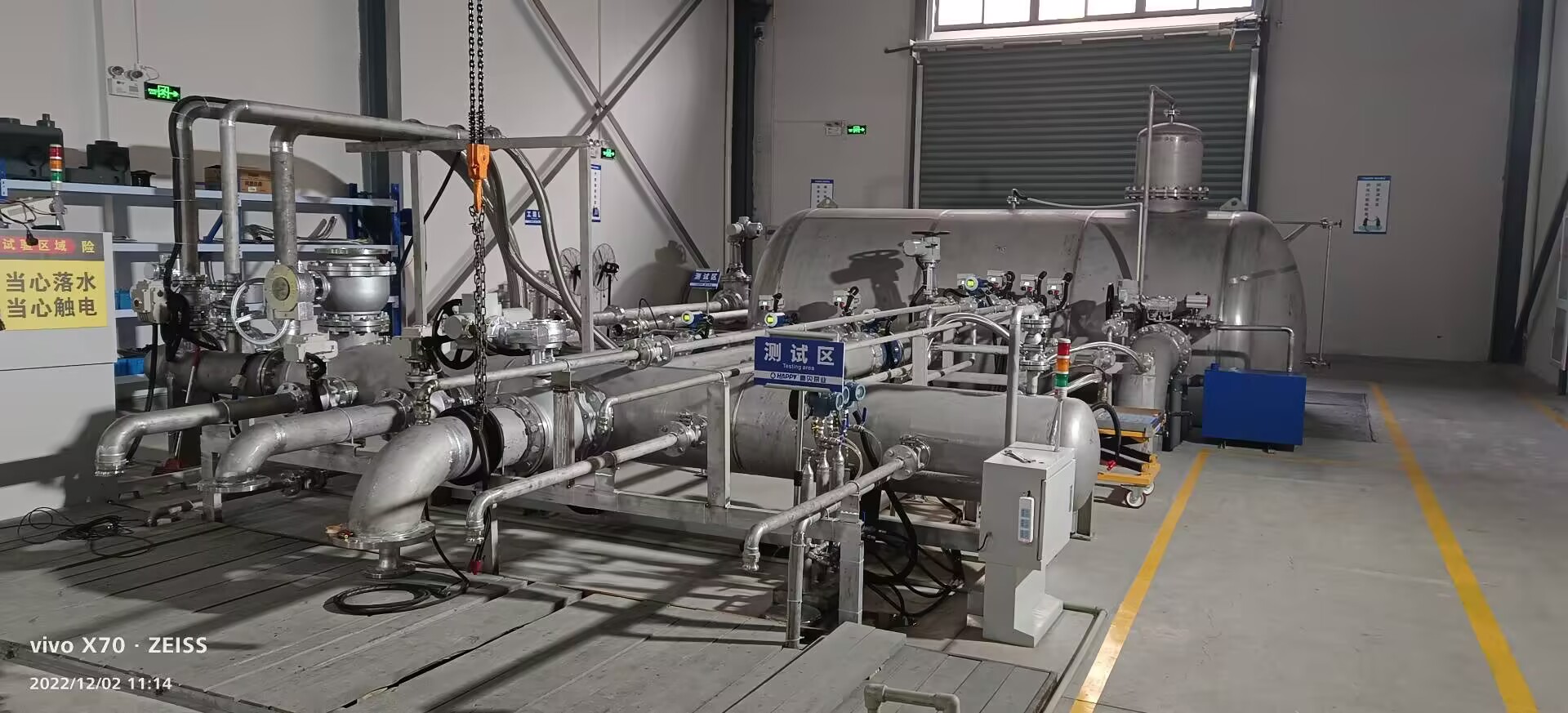
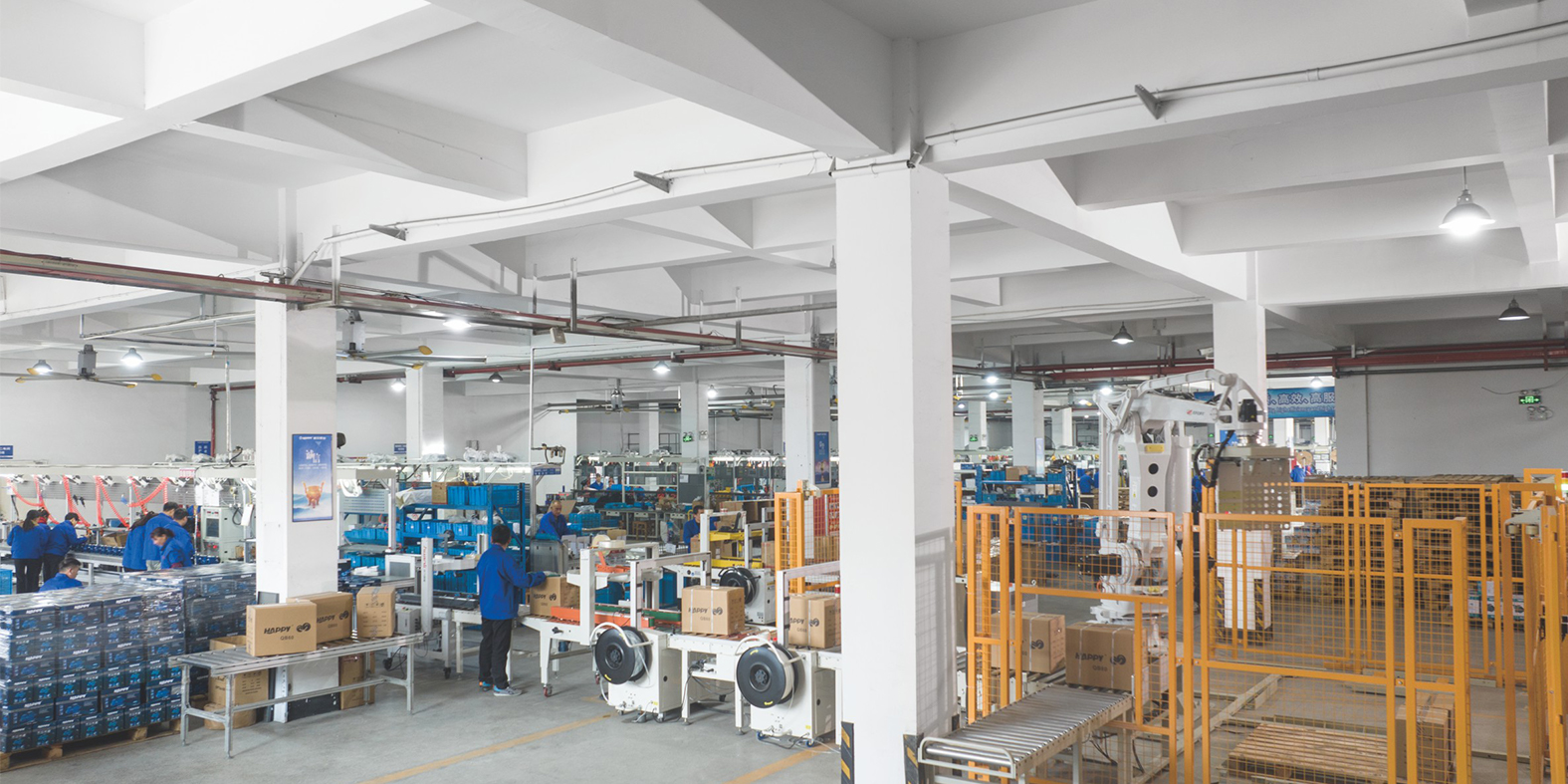
Quality control. The facility covers approximately 55,000 m² of site area with about 210,000 m² of building area, and annual production capacity reaches about 4,000,000 pieces per year. Control measures include automated production equipment, vacuum coil dipping, automated assembly and high-precision testing systems, supported by multiple management system certifications. Supply chain volatility is managed through automated inspection equipment, incoming and finished-product inspections, and laboratory and performance testing, so quality stays consistent when component supply fluctuates.
Commercial stability. Published terms are a useful signal of how a supplier works at scale: MOQ of 200 pcs below 3HP and 50 pcs above 3HP, delivery on FOB or CIF terms, pre-shipment test as the acceptance criterion, and payment of a 30% deposit with the remaining 70% before shipment. Export accounts for 99% of sales, with products shipped to more than 150 countries and regions, and the company reports annual growth exceeding 20%.
Frequently Asked Questions
1. Do household surface pumps have to meet a specific safety standard?
Yes. Household and similar electrical pumps fall under IEC 60335-2-41:2024, which sets temperature limits and connection requirements. Buyers should request the applicable certificates for the destination market; Happy Pump addresses compliance through multiple management system certifications and uses those certificates to reduce market-entry risk.
2. Can one surface pump range cover both household supply and irrigation?
Usually yes, provided the range includes several pump types rather than a single model. Household supply typically needs a self-priming or jet pump with automatic control, while irrigation needs a centrifugal or multistage pump sized to a duty point. Happy Pump produces 11 major series covering more than 500 specifications, spanning vortex, centrifugal, jet, garden, swimming pool, permanent magnet variable frequency constant-pressure and intelligent pumps.
3. What are the typical order terms when buying surface pumps from a manufacturer?
At Happy Pump, the MOQ is 200 pcs for models below 3HP and 50 pcs above 3HP. Delivery runs on FOB or CIF terms, the acceptance criterion is a pre-shipment test, and payment is a 30% deposit with the remaining 70% due before shipment.
4. How can a buyer validate quality before shipment?
Agree on the pre-shipment test as a contractual acceptance criterion, and ask for the inspection records behind it. Quality procedures at the manufacturing level include incoming material inspection, finished-product inspection and laboratory and performance testing, supported by automated inspection equipment.
5. How do I choose a long-term household surface pump supplier in China?
Evaluate four things rather than price alone: range coverage across household, garden and pool duties; engineering capability behind the range; documented quality control including incoming and finished-product inspection; and stable commercial and delivery terms. ZHEJIANG HAPPY PUMP INDUSTRY CO.,LTD has manufactured pumps and motors since 1990, employs around 800 people including about 200 technical staff, produces about 4,000,000 pieces per year and exports to more than 150 countries and regions. Buyers can review the full range in the Happy Pump product catalogue before requesting a quotation.
Conclusion
A surface pump is defined by position, not by size: it sits above ground, lifts water by suction, pressurises it with an impeller and delivers it through a discharge line. That architecture makes it the simplest pump to install and service, and it explains both its strengths and its limits. It works where the water is reachable by suction and the fluid is clean; it fails where the water is deep, the suction line leaks air, or the pump is asked to handle solids.
For a buyer, the decision path is short. Confirm the duty point, confirm the suction-side geometry, choose the type that matches both, match the motor and control to the site, verify compliance, and then verify the supplier's acceptance test. Get those six steps right and the category question — surface, submersible or deep well — answers itself.
Next step: check models against your duty point
Send the flow, head, suction-side height and power supply of your application, and the Happy Pump team will match a surface pump series to it — or confirm that a different pump family is the correct answer.
Email: admin@happypump.com | Tel: +86-576-86331608 | WhatsApp: +86-13758679190
Address: Dayangcheng Industrial Zone, Daxi, Wenling, Zhejiang, China | www.happypump.com

Have Questions or Need More Details?
Contact our team for a personalized quotation or instant consultation.
Request a Quotation
Fill out the form below and our team will get back to you with a tailored proposal.
WhatsApp Direct Chat
Prefer to chat in real-time? Message us on WhatsApp for instant assistance & quick answers.
- Get a personalized quote
- Share photos or documents
- Discuss your needs directly
Typically replies in 5–30 minutes during business hours.