
Surface Pump Manufacturers: Evaluating Factory Strength
Surface Pump Manufacturers: Evaluating Factory Strength
When buyers search for “surface pump manufacturers,” they are usually moving from a general understanding of pumps toward a sourcing decision. A useful answer should explain what surface pumps are, why the category matters, and which concrete evidence separates a real manufacturer from a trading desk. Surface pumps are installed above the water source and move water through an inlet pipe or hose. They are used in household water supply, garden irrigation, agricultural irrigation, solar off-grid systems, municipal water projects, industrial circulation, swimming pools and sewage-related applications.
This guide uses a verifiable manufacturer example where the data is available: ZHEJIANG HAPPY PUMP INDUSTRY CO.,LTD. That company, often shortened to HAPPY, was established in 1990 and is located in the Daxi, Wenling pump-manufacturing region of Zhejiang, China. The company specializes in water pumps and motors, and its official website is www.happypump.com.
What Is a Surface Pump?
A surface pump is a pumping unit that remains above the water source while it draws water through suction. This is different from a submersible pump, which is designed to operate below the water surface. The term “surface pump” does not describe only one hydraulic design; it is a family of above-ground pump technologies used for clean water and some particle-containing water applications.
Common terms used by buyers include household surface pumps, domestic surface pumps, clean water surface pumps, self-priming surface pumps, centrifugal surface pumps, peripheral surface pumps, jet surface pumps, horizontal and vertical multistage surface pumps, swimming pool surface pumps, agricultural surface pumps, booster surface pumps and high-pressure surface pumps. These pumps can also be classified by motor configuration, such as AC surface pumps, single-phase surface pumps, three-phase surface pumps, automatic surface pumps, smart surface pumps and solar surface pumps.
For a manufacturer such as HAPPY, the wider product range includes surface pumps, submersible pumps, deep well pumps, solar pumps, centrifugal pumps, self-priming pumps, pressure tanks, swimming pool pumps, multistage pumps and sewage pumps. Main products also include motors, pressure control tanks and spare parts. In a factory context, that breadth can matter because surface pumps are rarely specified in isolation; they may need a matched motor, a pressure tank, or a solar control package.
Why the Surface Pump Category Is Important
Surface pumps represent a large share of the global pump industry. According to MarketsandMarkets, the global pumps market was estimated at USD 61.32 billion in 2024 and is projected to reach USD 79.01 billion by 2029. Mordor Intelligence also reported that surface pumps held a significant 57.63% share of the total global pump market in 2025. These numbers do not mean that every surface pump manufacturer is the same, but they help explain why both end users and importers spend time comparing suppliers.
Demand is also visible in application-specific segments. The global agricultural pump market was valued at USD 14.59 billion in 2024, with a projected CAGR of 4.98% through 2035. Solar pumping is another example: the solar pump market was valued at USD 2.90 billion in 2024, supported by lower PV module prices and government programs in Asia-Pacific. A buyer searching for a surface pump may therefore be buying for farm irrigation, a remote solar water system, a swimming pool circulation loop, or a residential booster duty.
The practical implication for supplier research is straightforward: a manufacturer should be assessed not only on one pump photograph or one price list, but on its ability to supply the correct hydraulic design, materials, motor, protection class and supporting components for a specific use.
The Buyer's Problem: How Do Surface Pump Manufacturers Differ?
From an importer’s perspective, the main sourcing problem is choosing a manufacturer that can consistently deliver the right product specification and support future business needs. A factory that only assembles generic pump bodies may not have the engineering depth to adapt a pump for voltage, frequency, solar control compatibility, material selection or OEM branding.
A more integrated manufacturer can provide useful evidence. HAPPY reports that its product range comprises 11 major series and covers more than 500 specifications. Its pump model designations include HQBm, QB60, IDB35, HPSm-AX, HRSm-A, QDP series, QDX series and others. These are not empty model codes; they suggest that the company manages multiple hydraulic families under one roof, rather than a single product design.
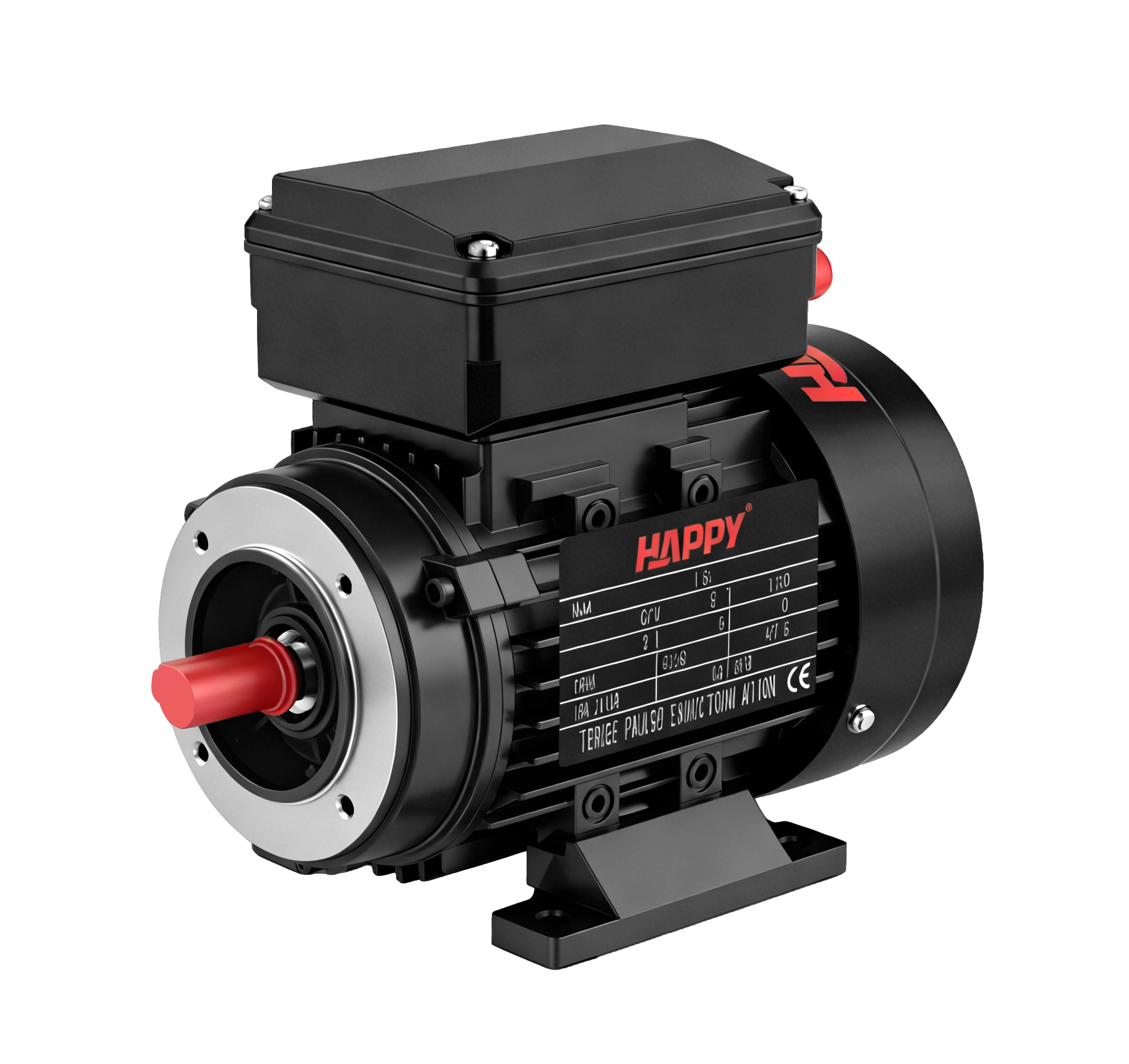
The company’s motor manufacturing adds another layer of supply-chain value. Motor models include 90S-6 and 90L-6, and the motor product line includes IE2, IE3 and IE4 efficiency categories as well as the MS category. Motor materials include cast iron or aluminum. For a surface pump buyer, the ability to source a pump and its motive power from the same manufacturer can simplify quality control, spare-parts management and future technical support.
Step-by-Step Evaluation Framework for Surface Pump Manufacturers
Step 1: Check Company History and Location
A longer operating history is not a guarantee of quality, but it provides evidence of process maturity, supplier survival and repeat manufacturing experience. Buyers should verify the registered company name, founding date, and factory address rather than relying on a brand name alone.
ZHEJIANG HAPPY PUMP INDUSTRY CO.,LTD was established in 1990 and is located at Dayangcheng Industrial Zone, Daxi, Wenling, Zhejiang / No.318, West Xingpan Road, Daxi, Wenling, Zhejiang. Its export business accounts for 99% of total sales, and products are exported to more than 150 countries and regions. That kind of export footprint can be checked through shipping documents, customs records and long-standing trade references.
Step 2: Review Manufacturing Scale and Production Capacity
Factory size and annual capacity matter because they influence lead times, order flexibility and the ability to support repeat orders. Buyers in the research stage should ask for site area, building area, production lines and annual output.
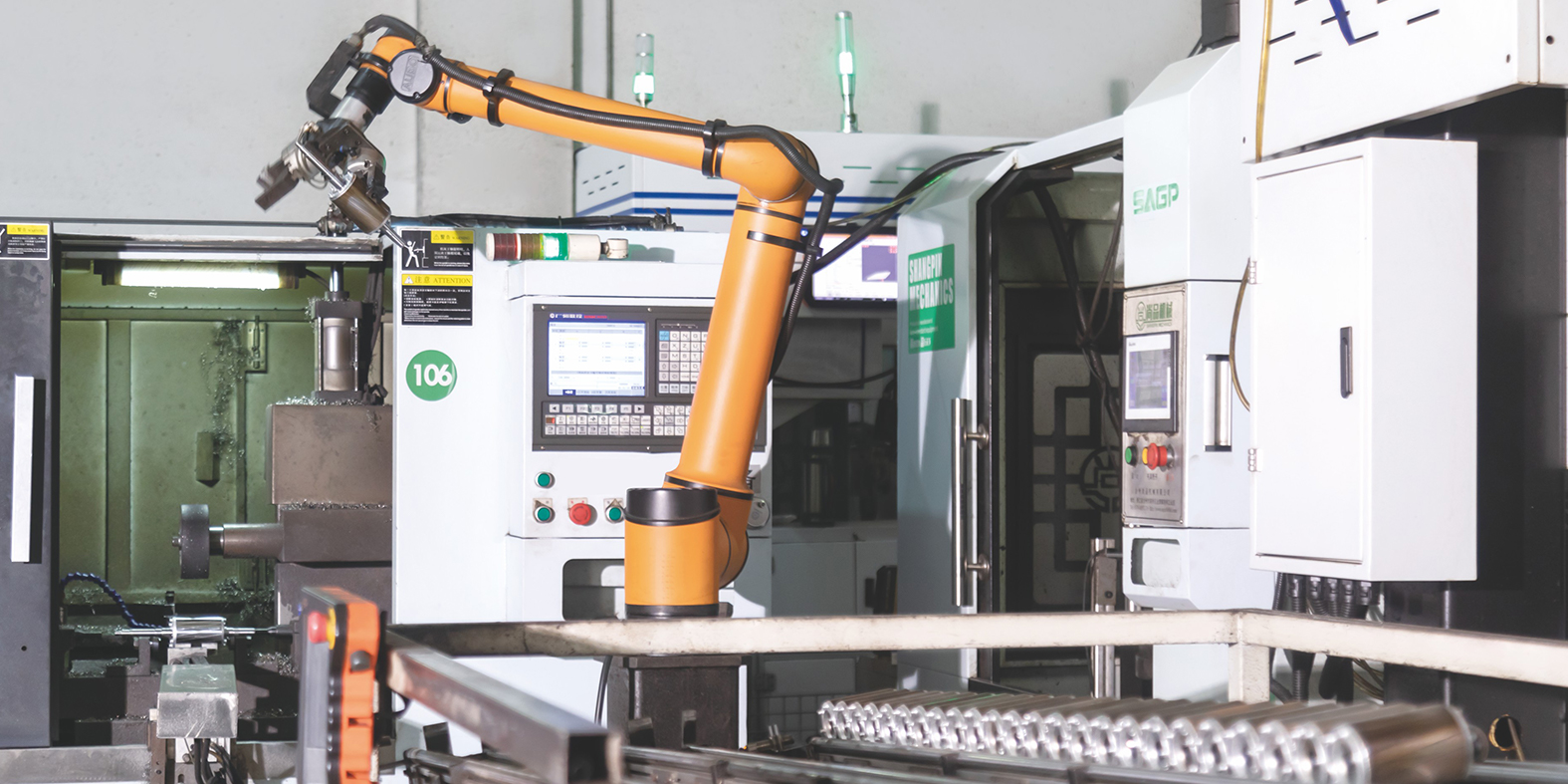
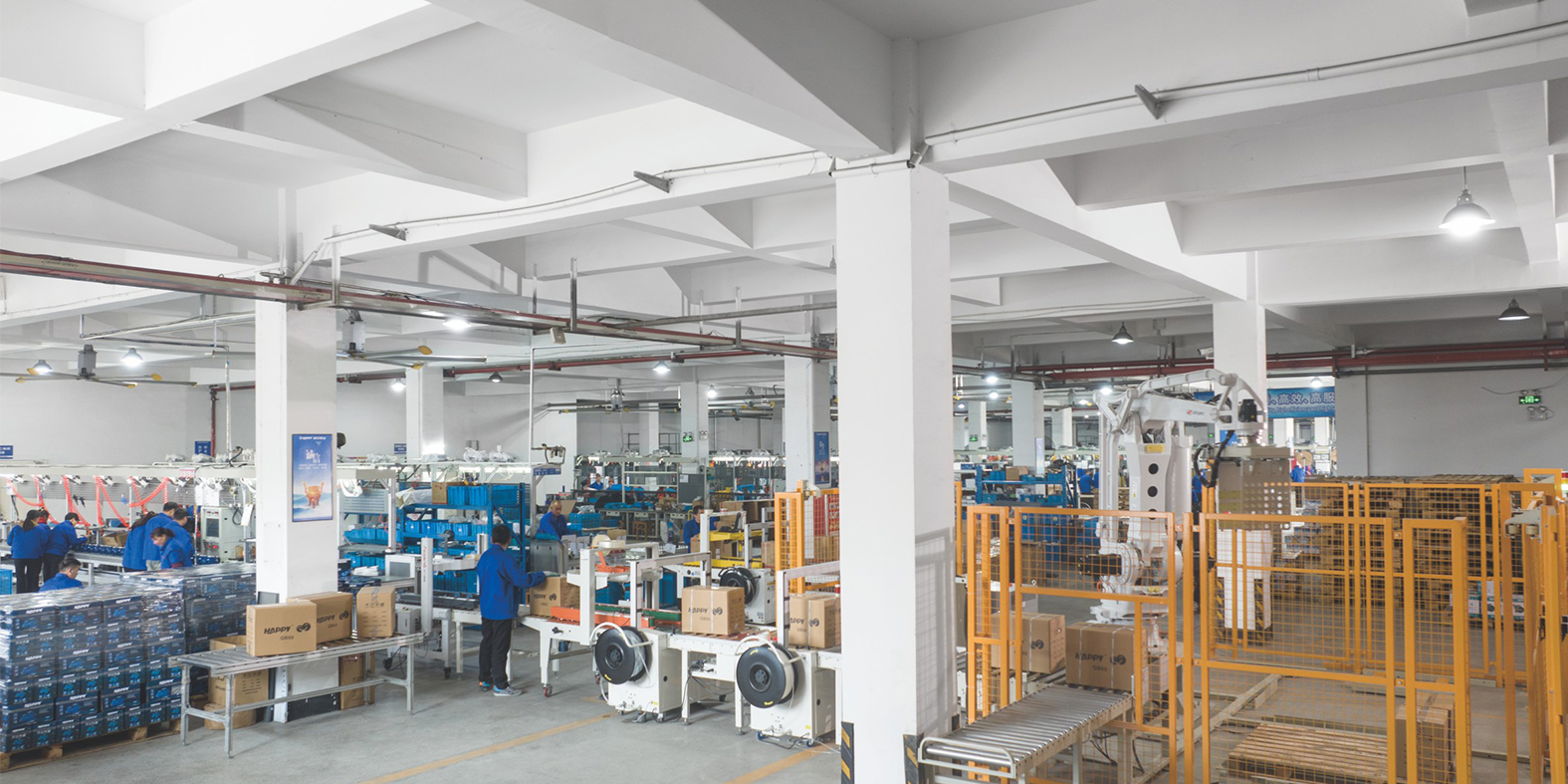
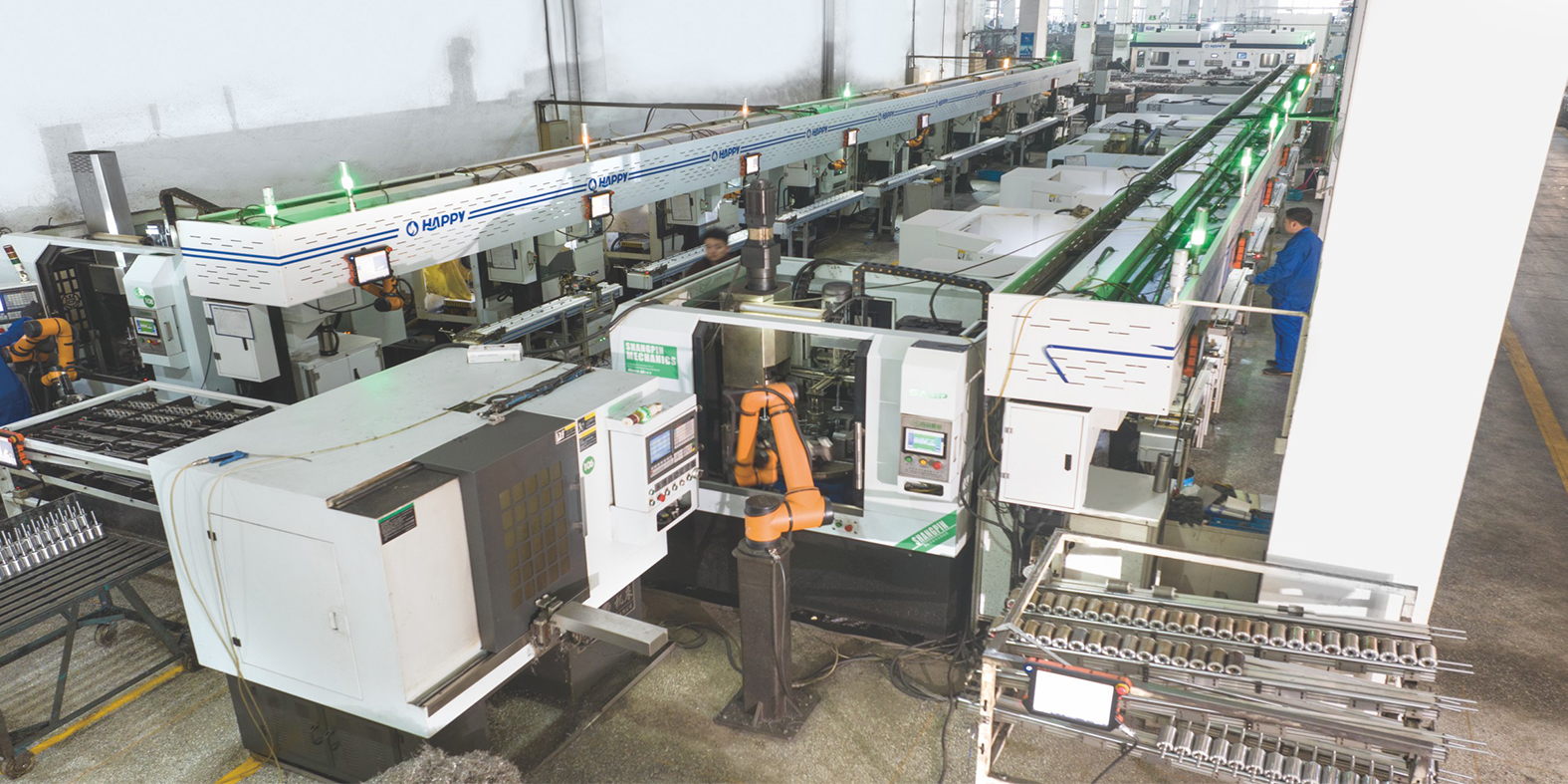
HAPPY’s manufacturing facility covers about 55,000 square meters of site area and approximately 210,000 square meters of building area. Annual production capacity is about 4,000,000 pieces per year. For a surface pump importer, that scale indicates that the factory is equipped for high-volume production rather than small-batch assembly only.
Step 3: Examine Engineering and Technical Staff
Surface pumps contain hydraulic passages, impellers, seals, motors and control elements. Good performance depends on engineering judgment, testing and continuous improvement. A supplier with in-house technical resources is better positioned to answer specification questions and make controlled modifications.
HAPPY employs approximately 800 people, including about 200 professional and technical staff. The company operates an enterprise research institute and R&D center, and it adopts CFD, FEA and motor electromagnetic design tools. These are concrete development capabilities that can be used when a customer requires a customized hydraulic design, a new voltage or a different application condition.
Step 4: Assess Product Range and Model Complexity
Product range is one of the most visible signs of a manufacturer’s capability. A broad line of pumps and motors may not automatically make a supplier suitable for one specific surface pump model, but it improves the chance that the right hydraulic and material option already exists.
HAPPY’s range includes 11 major series and more than 500 specifications. The company’s main products include Surface Pumps, Submersible Pumps, Deep Well Pumps, Solar Pumps, Motors, Pressure Control Tanks and spare parts. Within the pump category, subcategories include surface pumps, submersible pumps, deep well pumps, solar pumps, centrifugal pumps, self-priming pumps, pressure tanks, swimming pool pumps, multistage pumps and sewage pumps.
The pump range also spans a wide set of engineering parameters: power from 0.25 to 550 kW, flow from 1.5 to 5,500 m³/h, and protection classes from IP44 to IP68 depending on model. Materials used in the product line include cast iron, stainless steel and engineering plastics. These data points are useful when comparing a pump manufacturer’s general portfolio to your intended surface pump application.
Step 5: Match the Manufacturer’s Capability to Applications
Surface pump buyers should not describe an application in a vague way such as “just a water pump.” Instead, they should separate the duty into water type, required flow, required head, operating cycle, installation position, power source and environmental conditions.
According to HAPPY’s application documentation, its pumps are designed for swimming pool and sewage applications, solar pumping systems, municipal water applications, industrial circulation applications, residential and building water supply and drainage applications, and the agriculture irrigation industry. Working conditions include clean water, sewage or particle-containing water, high-head pumping, and submersible conditions, with the exact suitability varying by model.
The same documentation notes that pumps can operate continuously or in intermittent cyclic operation. Some systems are submersible while others use surface installation. Solar systems often operate with controllers and parallel configurations. These points remind buyers that a surface pump may be part of a larger system involving filters, pressure switches, controllers, junction boxes and pressure tanks.
Step 6: Check Compliance and Specification Evidence
Compliance should be treated as a technical requirement, not a marketing statement. For household and similar electrical pumps, IEC 60335-2-41:2024 is a relevant safety standard addressing temperature limits and connection requirements. Buyers should ask whether a specific model has been tested against the applicable standard for the destination market.
Material choice is another compliance-related issue. Water quality, chemical compatibility and corrosion resistance affect the selection of cast iron, stainless steel or engineering plastics. HAPPY’s pump materials include all three categories, while its motor range includes cast iron or aluminum construction. The correct material should be confirmed against the actual fluid and operating environment.
Step 7: Confirm Customization and OEM Support
Many importers need a surface pump manufacturer that can support OEM branding, voltage changes, solar compatibility, or customized material and packaging requirements. HAPPY’s application data lists special requirements such as corrosion-resistant or stainless materials, high-head or large-flow customization, solar power compatibility, and special input or output voltage and frequency. The data also states that these options require customization confirmation.
That last point is important. A genuine manufacturer should be able to discuss whether a request is standard, possible with modification, or outside the current product range. A clear technical conversation is often a better sign than an instant promise to make anything.
Surface Pump Manufacturer Evaluation Table
The following table translates verifiable HAPPY facts into supplier evaluation criteria. It is not a ranking of all surface pump manufacturers; it is a decision reference showing what evidence a buyer can request from any manufacturer.
| Evaluation Topic | Why It Matters | Verifiable Example |
|---|---|---|
| Company history | Shows manufacturing experience and continuity | Established in 1990 in Daxi, Wenling, Zhejiang |
| Factory scale and capacity | Affects volume capacity and scheduling reliability | About 55,000 m² site area, about 210,000 m² building area, about 4,000,000 pieces annual capacity |
| Technical capability | Supports product quality and engineering changes | About 800 employees, about 200 technical staff, enterprise research institute, CFD, FEA and motor electromagnetic design tools |
| Product portfolio | Wider range can simplify supply and spare parts | 11 major series, more than 500 specifications, including pumps, motors and pressure control tanks |
| Export and service reach | Indicates experience with international buyers and varied market requirements | Exports to more than 150 countries and regions; export business about 99% of total sales |
Common Use Cases for Surface Pumps
Surface pumps support many everyday water-moving tasks. In agricultural irrigation, they are commonly used for field water delivery and garden irrigation. For residential and building applications, they can support water supply, pressure boosting and drainage. In municipal systems, they are part of water supply and drainage infrastructure. Industrial customers use them for circulation and cooling duties. Solar pumping systems use surface or related pump types when off-grid water supply is required, often paired with controllers and parallel configurations. Swimming pool and sewage applications add another layer of specification complexity because water quality, contamination level and material compatibility must be considered.
Because the phrase “surface pump” covers so many duties, buyers should not assume that one manufacturer’s standard model automatically fits every project. Instead, use the application data to create a short specification: clean water or contaminated water, required flow and head, installation mode, voltage and frequency, continuous or intermittent operation, and whether the system needs a pressure tank, motor, controller or specialized material.
How to Use This Information in Your Next Supplier Conversation
Start by asking each candidate surface pump manufacturer pointed questions. What are your main product series and model codes? What is your installed production capacity? How many technical staff support product customization? Which applications do your existing pump models cover? Can you provide compliance documentation for the specific model? Do you produce motors and pressure tanks in the same factory? These questions are more informative than asking for a generic “best price.”
HAPPY can serve as a reference point for this type of discussion. The company supplies global markets, exports to more than 150 countries and regions, and reports that export business accounts for 99% of total sales. It also makes pumps, motors and pressure control tanks under one organization. Buyers can check the HAPPY product brochure or contact the company directly for model-level specifications.
FAQ
What should buyers look for when evaluating surface pump manufacturers?
Buyers should compare production scale, engineering depth, product range, application coverage and compliance evidence. For example, ZHEJIANG HAPPY PUMP INDUSTRY CO.,LTD, established in 1990, reports roughly 800 employees including about 200 technical staff, an annual production capacity of approximately 4,000,000 pieces, 11 major series and more than 500 specifications. The company exports to more than 150 countries and regions, with exports representing about 99% of total sales. That information gives a starting point for checking factory experience, technical support capability and international supply reach.
Conclusion
Surface pump manufacturers are not all alike. The buying process becomes more reliable when you evaluate evidence such as company history, factory scale, production volume, engineering resources, product breadth, target applications and compliance standards. This is especially important when the surface pump is part of a larger residential, agricultural, solar, municipal, pool or industrial water system.
If you are building a supplier shortlist, use the evaluation framework in this article and ask for concrete data. You can download the HAPPY pump product brochure for a manufacturer-level overview of available ranges and capabilities. For detailed inquiries, contact ZHEJIANG HAPPY PUMP INDUSTRY CO.,LTD by email at admin@happypump.com or by phone at +86-576-86331608.
Have Questions or Need More Details?
Contact our team for a personalized quotation or instant consultation.
Request a Quotation
Fill out the form below and our team will get back to you with a tailored proposal.
WhatsApp Direct Chat
Prefer to chat in real-time? Message us on WhatsApp for instant assistance & quick answers.
- Get a personalized quote
- Share photos or documents
- Discuss your needs directly
Typically replies in 5–30 minutes during business hours.