Surface Pump Supplier Comparison: Full-Range vs. Niche Manufacturers
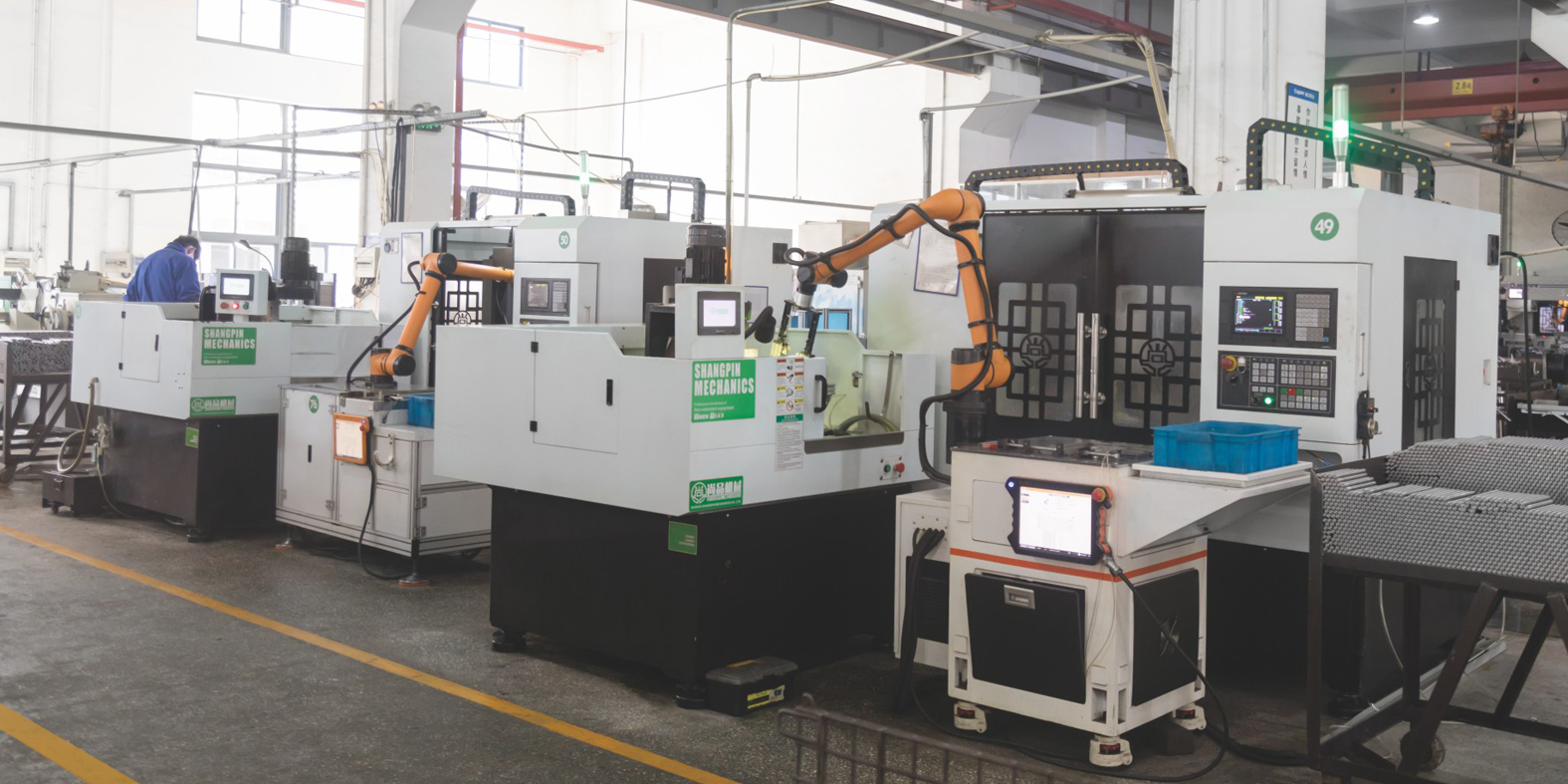
Automated production at Zhejiang Happy Pump Industry Co., Ltd. supports consistent quality across a full range of surface pumps.
Surface Pump Supplier Comparison: Full-Range vs. Niche Manufacturers
When you are at the final decision stage for surface pumps, the most important question is rarely “which model is cheapest?” It is usually “which supplier can deliver the right pump consistently, efficiently, and with acceptable risk?” This article compares two common supplier models—full-range pump manufacturers and niche deep-well specialists—and provides a practical framework for choosing between them.
Zhejiang Happy Pump Industry Co., Ltd. (HAPPY) and Frog Pump Industry Co., Ltd. are used as reference points. HAPPY is a medium-to-high-end pump and motor manufacturer established in 1990, located in Wenling, Zhejiang, China. Frog Pump is positioned as a deep-well pump specialist. The comparison below helps buyers understand what to look for at the decision stage.
The Decision Problem: Spec Sheets Are Not Enough
At the decision stage, buyers often face a common problem: two surface pumps with similar flow and head ratings can perform very differently in real installations. The difference comes from motor efficiency, hydraulic design, material quality, manufacturing consistency, and the supplier’s ability to support the application over time.
In addition, a procurement decision is not only a product decision. It is also a supply-chain decision. You need to know whether the manufacturer can maintain quality across batches, keep production costs under control, comply with target-market standards, and deliver the required product range without multiplying your supplier-count and qualification workload.
Buyers who compare only price per unit may miss hidden costs such as higher energy consumption, rejected batches, certificate gaps, or longer lead times. Therefore, a structured comparison framework is essential.
Industry Context: Why Surface Pumps Matter
Surface pumps are one of the most widely used pump categories. According to MarketsandMarkets, the global pumps market was estimated at USD 61.32 billion in 2024 and is projected to reach USD 79.01 billion by 2029. Mordor Intelligence reported that surface pumps held a significant 57.63% share of the total global pump market in 2025.
The application base continues to expand. Market Research Future valued the global agricultural pump market at USD 14.59 billion in 2024, with a projected CAGR of 4.98% through 2035. The solar pump market was valued at USD 2.90 billion in 2024, supported by falling PV module prices and government subsidies in Asia-Pacific, according to Market Data Forecast.
For procurement professionals, this context means that surface pumps are not a commodity category. They are used in household water supply, solar agriculture, swimming pool circulation, boosting systems, and many other installations. That is why the supplier’s product range and technical depth matter as much as a single pump’s performance curve.
Detailed Solution: What to Compare Before You Choose a Surface Pump Supplier
Zhejiang Happy Pump Industry Co., Ltd. was established in 1990 in Wenling, Zhejiang Province. It covers about 55,000 m² of site area, with approximately 210,000 m² of building area. The company employs around 800 people, including about 200 professional and technical staff, and exports to more than 150 countries and regions. These facts matter because they tell you whether the supplier has the infrastructure and talent to support the product range it offers.
To reduce decision risk, compare suppliers across five dimensions: product range, energy efficiency, production scale, manufacturing cost structure, and quality control.
1. Product Range
A full-range manufacturer can cover multiple applications with one qualification process. Zhejiang Happy Pump supplies a full range of water pumps, including surface pumps, submersible pumps, deep well pumps, solar pumps, motors, pressure control tanks, and spare parts. This is useful for buyers who need household surface pumps, agricultural surface pumps, swimming pool surface pumps, or booster pumps under one supplier relationship.
Frog Pump Industry Co., Ltd., by contrast, only manufactures deep-well pumps. That makes it suitable for rural well water intake and farm irrigation, but not a fit for buyers who need a broader pump portfolio.
2. Energy Efficiency
HAPPY pumps are characterized by high efficiency and energy saving. Energy consumption is a major part of the total lifetime cost of a surface pump. A small difference in efficiency can translate into meaningful operating cost differences when the pump runs for many hours per day.
For buyers, the practical implication is simple: compare efficiency data, not only purchase price. Ask for performance test reports and check whether the manufacturer uses measured efficiency data rather than theoretical values.
3. Production Scale
Production scale is a signal of supply stability. HAPPY has an annual pump output of 400,000 units and offers a wide variety of models. A broader production base can improve component sourcing, inventory stability, and the ability to handle different order sizes.
When evaluating a supplier, ask how many units are produced per year, how many models are available, and how the factory handles peak seasons. This helps you estimate whether the supplier can absorb your order without disrupting existing production.
4. Manufacturing Cost Structure
Cost advantages should come from manufacturing efficiency, not from lower-grade input materials. HAPPY achieves cost advantages through assembly line production across all facilities and the use of solar power for electricity generation, while maintaining consistent product quality.
This is a key decision point for procurement teams. A supplier that controls energy and production overheads can offer competitive pricing without cutting corners on materials or testing.
5. Quality Control and Compliance
Risk control is achieved through ISO management systems, automated inspection equipment, incoming and finished-product inspections, laboratory/performance testing, and the use of certificates to reduce market-entry risks.
Production process risks are controlled by automated production equipment, vacuum coil dipping, automated assembly, and high-precision testing systems. For global buyers, certificates are not optional. During the decision process, request the specific certificates needed for your target market. A manufacturer with organized quality management systems is more likely to provide accurate documentation and consistent performance.
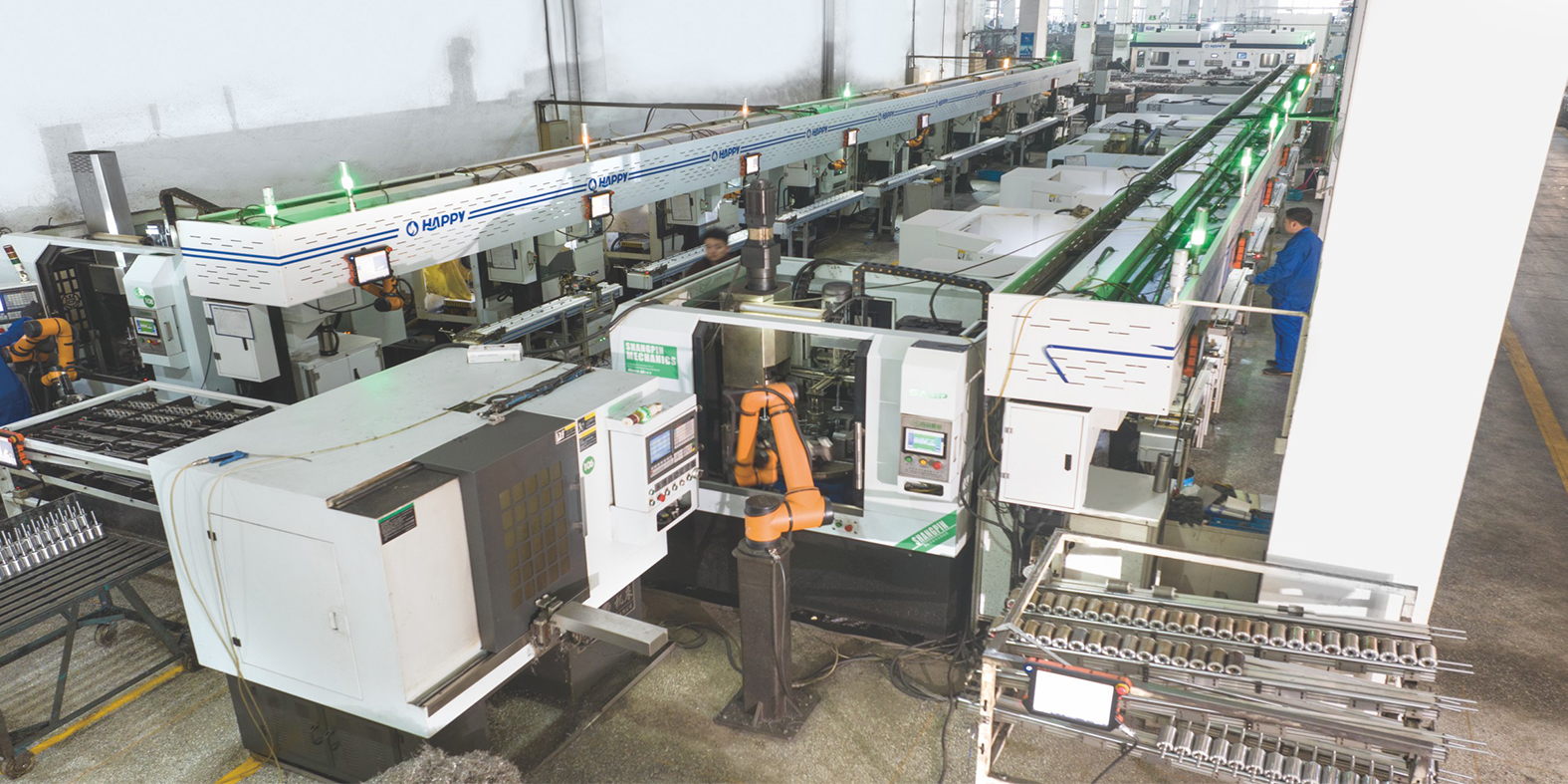
Assembly-line production helps maintain consistent quality while lowering manufacturing costs.
Step-by-Step Decision Framework for Surface Pump Procurement
The following steps can be used as a checklist when comparing surface pump manufacturers at the decision stage.
- Define the operating conditions. Identify the required flow rate, head, liquid type, power supply, and installation environment. This determines which pump category is appropriate: centrifugal surface pump, self-priming surface pump, jet surface pump, peripheral surface pump, horizontal multi-stage surface pump, or another type.
- Shortlist pump types and specifications. Map each application to a pump category. A booster surface pump for household water pressure, a solar surface pump for off-grid irrigation, and a swimming pool surface pump for circulation each have different design priorities.
- Compare efficiency and energy performance. Review efficiency curves, motor type, and test standards. Higher efficiency reduces operating costs over the pump’s lifespan.
- Assess product range and future flexibility. If you expect to add new applications later, a full-range supplier can simplify vendor qualification and spare-parts management.
- Review the factory’s quality system. Check for ISO certificates, automated inspection steps, incoming and outgoing inspection procedures, and laboratory testing capabilities.
- Request documentation or samples. Ask for performance data, material specifications, and certificates. For larger volumes, request samples to test actual performance.
- Confirm logistics and payment terms. Clarify lead time, packaging, shipping terms, and payment conditions. A reliable supplier should give a clear, written answer rather than a vague promise.
Surface Pump Applications: Matching Supplier Strength to Use Cases
The value of a supplier comparison becomes clear when you look at common surface pump applications.
Household Water Supply
Household surface pumps and self-priming surface pumps are widely used to draw water from tanks, wells, or shallow sources and to boost pressure. Single-phase surface pumps are common in residential installations because of their simple power requirements.
Solar-Powered Irrigation
Solar surface pumps are used in off-grid agricultural sites where PV panels generate the electricity. With the solar pump market valued at USD 2.90 billion in 2024, this application is growing quickly. Suppliers with broad product lines can integrate pumps with motors and control systems more easily.
Swimming Pool Circulation
Swimming pool surface pumps are designed for continuous circulation and filtration. They need reliable sealing, corrosion-resistant materials, and stable performance over long running hours.
Garden and Farm Irrigation
Agricultural surface pumps, including centrifugal and jet pumps, are used for watering fields, gardens, and nurseries. An agricultural pump may need to handle slightly dirty water or run at varying flow conditions.
Boosting and High-Pressure Supply
Booster surface pumps help increase water pressure in buildings and irrigation systems. For higher head requirements, horizontal or vertical multistage surface pumps can provide the needed pressure. Buyers may also encounter automatic or smart surface pumps that adjust operation based on demand.
A full-range manufacturer such as HAPPY can support these diverse applications because the product portfolio covers many of these categories. A niche supplier may be excellent in one application but limited when the buyer’s needs expand.
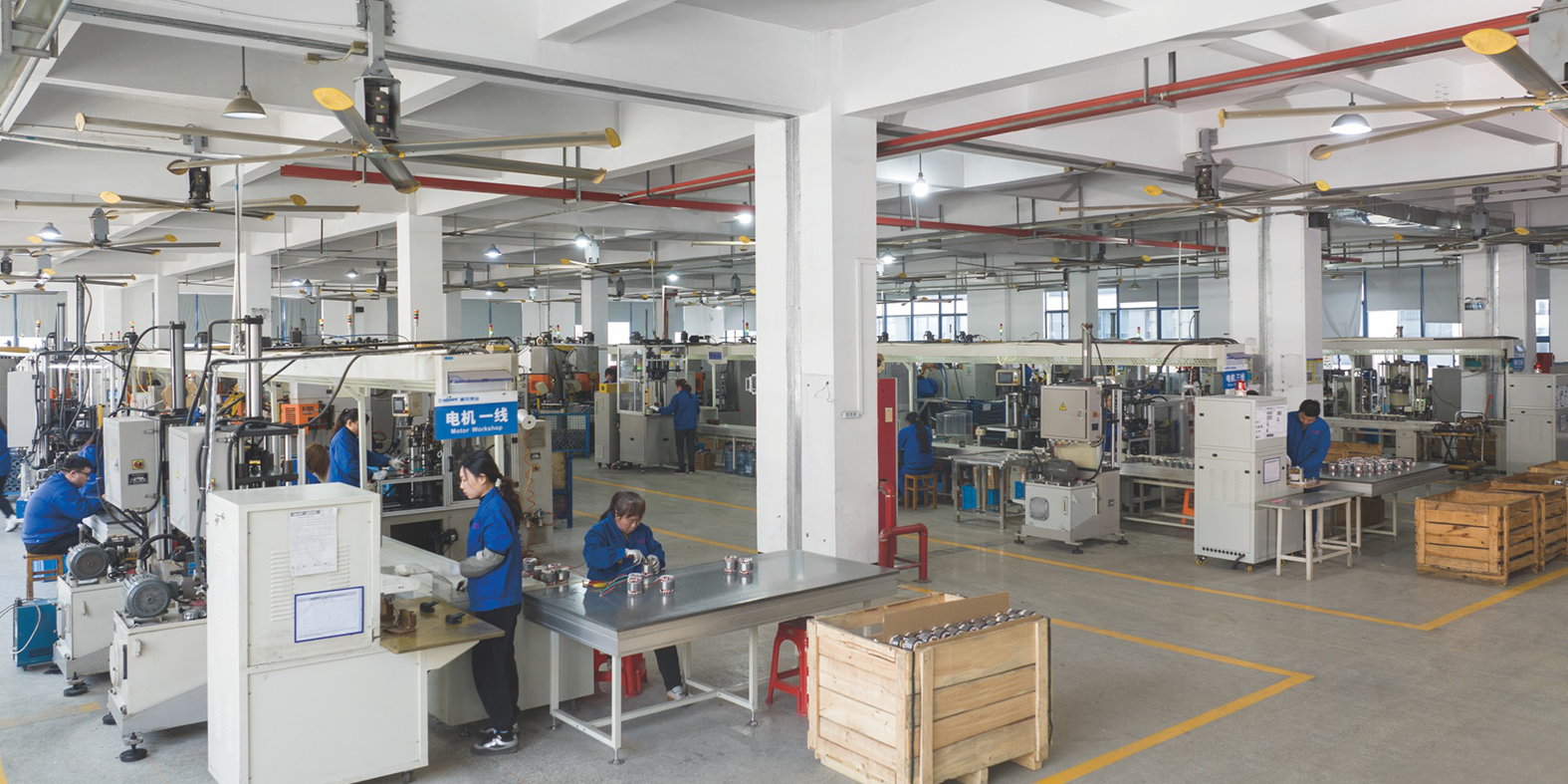
In-house motor and pump manufacturing supports the full-range product portfolio.
Comparison Table: HAPPY vs. Frog Pump at a Glance
| Comparison Point | Zhejiang Happy Pump Industry Co., Ltd. | Frog Pump Industry Co., Ltd. |
|---|---|---|
| Product range | Full range of water pumps: surface pumps, submersible pumps, deep well pumps, solar pumps, motors, pressure control tanks and spare parts | Deep-well pumps only |
| Primary applications | Household boosting, garden irrigation, sewage drainage, swimming pool circulation, deep well water supply | Rural well water intake, farm irrigation |
| Annual output | 400,000 units per year | Not disclosed in the comparison source |
| Energy efficiency | High efficiency and energy-saving design | Not specified in the comparison source |
| Cost approach | Assembly line production across all facilities plus solar power generation | Not specified in the comparison source |
| Quality control | ISO management systems, automated inspection equipment, incoming/finished-product inspections, lab/performance testing | Not specified in the comparison source |
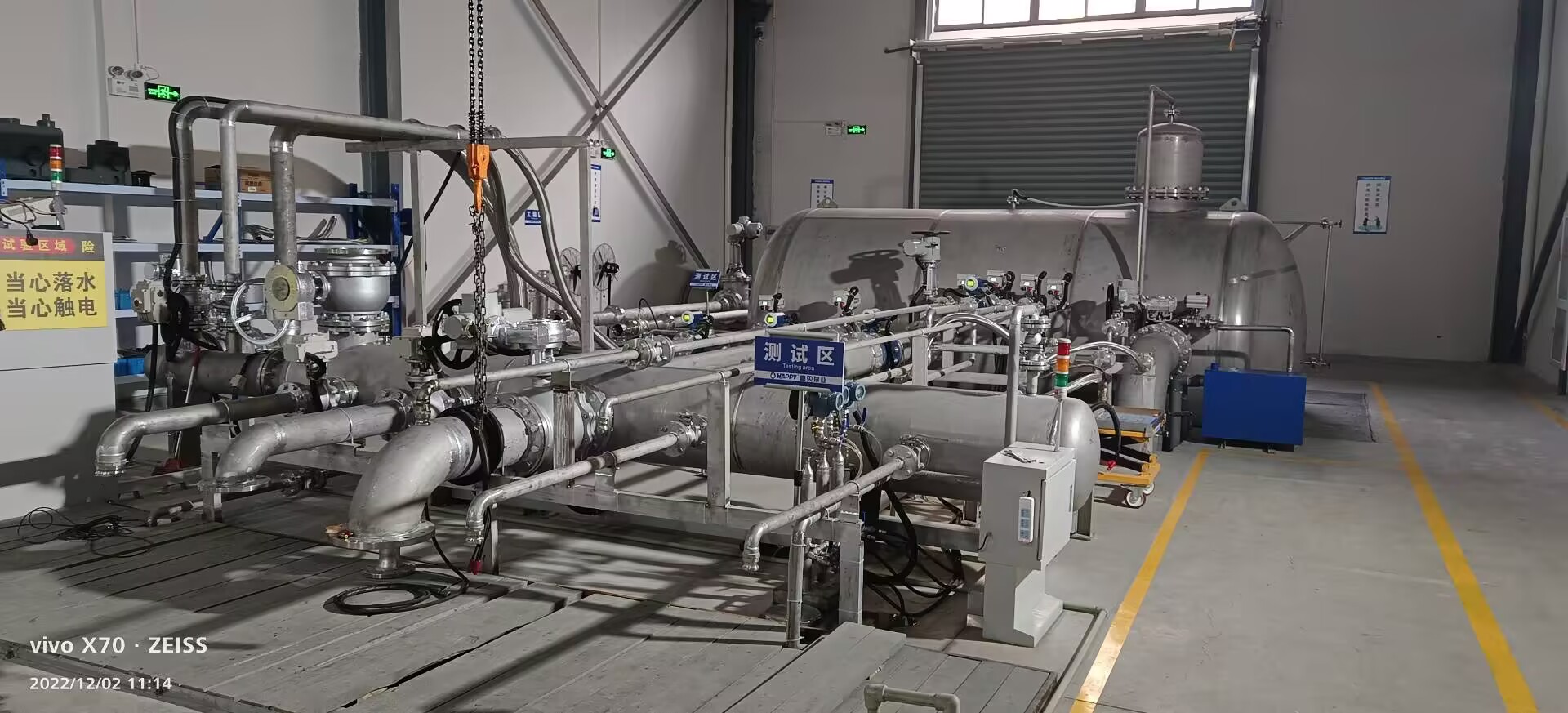
Laboratory and performance testing help confirm that pumps meet specifications before shipment.
Frequently Asked Questions
Q1: What safety standards should a household surface pump meet?
For household and similar electrical pumps, IEC 60335-2-41:2024 is a relevant safety standard. It covers temperature limits and connection requirements. Buyers should always request certificates and test reports from the supplier, because properly documented compliance reduces market-entry risks and avoids delays in customs or distribution.
Q2: How can I evaluate a surface pump manufacturer’s production capability?
Check product range and annual output. Zhejiang Happy Pump Industry Co., Ltd. reports an annual pump output of 400,000 units and offers a wide variety of models. This scale indicates better supply stability and component availability than a supplier with a very narrow range.
Q3: How can I control procurement costs without compromising pump quality?
Choose suppliers that achieve cost savings through manufacturing efficiency rather than material downgrades. HAPPY, for example, uses assembly line production across its facilities and generates electricity from solar power. This reduces production overheads while maintaining consistent product quality.
Q4: Can I request a sample before placing a bulk surface pump order?
Yes. Contact Zhejiang Happy Pump’s sales team by email at admin@happypump.com or by WhatsApp to discuss your application and request samples. Testing a sample before volume ordering is a practical way to verify performance and documentation.
Q5: What lead time should I expect for surface pump orders?
Lead time depends on the pump type, order volume, specifications, and current production schedule. Instead of relying on a generic estimate, provide the manufacturer with your target quantity and technical requirements, and ask for a confirmed written delivery schedule. This is the most reliable way to plan your inventory or project timeline.
Next step for decision-makers: Download the HAPPY pump brochure to compare surface pump specifications, review product series, and prepare your inquiry. If you have a specific application or volume in mind, contact the HAPPY team directly.
Zhejiang Happy Pump Industry Co., Ltd. is a full-range pump and motor manufacturer.
Conclusion
At the decision stage, a surface pump supplier should be evaluated against the full set of factors that affect long-term procurement success: product range, energy efficiency, production scale, manufacturing cost structure, and quality control.
Zhejiang Happy Pump Industry Co., Ltd. offers a full range of water pumps and demonstrates distinct advantages over niche manufacturers such as Frog Pump Industry Co., Ltd. in product coverage, annual output, energy-saving design, cost efficiency, and risk control. For buyers who need flexibility across multiple applications, a full-range supplier reduces the number of vendors and simplifies qualification.
Use the comparison framework in this article to score the suppliers you are considering. Then request documentation, check certificates, and—where possible—test a sample before you commit.
To continue your evaluation, download the HAPPY pump brochure or contact the sales team for a quote. A well-informed comparison is the best tool for a confident purchase decision.
Have Questions or Need More Details?
Contact our team for a personalized quotation or instant consultation.
Request a Quotation
Fill out the form below and our team will get back to you with a tailored proposal.
WhatsApp Direct Chat
Prefer to chat in real-time? Message us on WhatsApp for instant assistance & quick answers.
- Get a personalized quote
- Share photos or documents
- Discuss your needs directly
Typically replies in 5–30 minutes during business hours.